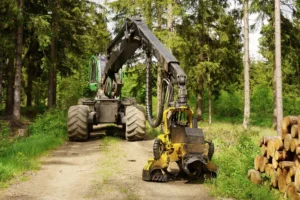
Understanding the used logging equipment market landscape
The used logging equipment market is vast and constantly evolving. It continues to grow because more buyers want to save a buck and avoid the harsh depreciation that new machines incur in year one. Knowing what is out there and when and how to buy makes all the difference if you want to get good value and avoid mistakes that cost you down the road.
Key players in the market are John Deere, Caterpillar, Tigercat, and Komatsu. These brands are legendary for crafting equipment that endures. Outstanding models, such as the John Deere 853M feller buncher or the Caterpillar 545D skidder, retain their value and are simple to locate parts for. Used prices are region and hour dependent, but as a benchmark, a mid-hour used top brand skidder might be sold from USD 65,000 to 130,000 (EUR 60,000 to 120,000). Forwarders and harvesters may fetch higher prices, particularly if they are newer or have low hours. Prices can fluctuate depending on age, brand, and maintenance regimen, so look at similar sales in your area.
Trails in supply and demand define the best time to purchase. In a lot of areas, used equipment inventory declines in the active season, generally spring and summer, when logging picks up. Demand spikes and so does price. It’s off-season, like late fall or early winter, and sellers are more receptive to low ball offers as demand wanes. Keeping an eye on local and global trends allows buyers to identify when inventories are at their highest and discounts are most likely.
Both purchase avenues come with their pluses and minuses. Dealers usually provide some warranty and service support, but the prices are higher. Auctions offer a huge selection and a few bargains, but buyers must move quickly and may have less opportunity to inspect. Private sellers can occasionally offer the best bargains, but there is more risk involved, as there is no warranty and often a sparse maintenance history. Make sure you ask for service records and check ownership documents, wherever you buy.
Common types of used logging equipment and their main uses:
- Skidders: Drag logs from the forest to a landing
- Feller bunchers: Cut and gather trees before moving
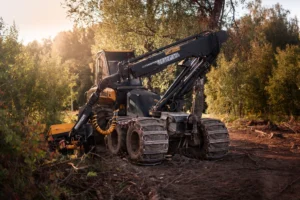
- Harvesters cut, de-limb, and section trees in one go.
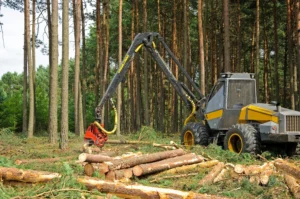
- Forwarders: Carry cut logs to roadside or mill
- Log loaders: Load logs onto trucks or sort piles
- Mulchers: Clear underbrush and small trees
- Chippers: Turn branches and debris into wood chips
Checking a machine’s history is key. Request service logs, accident records and check for holes or weird repairs. Fresh paint is a bonus, but it can conceal cracks or welding that indicate previous damage. Always inspect tires. Even worn tires are fine, but deep cracks or holes indicate machine neglect. On test drives, strange noises or foul odors signify issues. Check out the cab, engine, and body for dents, leaks, or broken parts. Welding on arms or joints would be a red flag for them being heavily repaired. Warning lights on the dash or anything that feels off should invite more questions before you buy.
Evaluating equipment condition and performance

A close examination of condition and function is the key when purchasing used logging equipment. This step prevents expensive surprises and minimizes downtime. Condition checks allow purchasers to identify red flags early and determine if the machine will perform well in the field.
Begin with a walk-around inspection for wear, rust, cracks, and structural damage. Pay special attention to frames, booms, joints and welds. These parts catch a lot of abuse. Rust around welds or on load-bearing parts can indicate concealed weakness. Frames with cracked, dented or bent sections could indicate a previous overload or accident. Look at undercarriage components such as rollers, tracks and sprockets. Severe wear or missing components in this area can translate into expensive repairs. Search for drips or grease accumulation, which typically indicate abandoned seals or hydraulic pipes.
Engine and all major working systems test. Cold start the engine and listen for any weird noises, rough idle, or smoke. These symptoms may indicate deeper engine issues. Test hydraulic systems by exercising all controls, including boom, grapple, or blade. It should move freely, with no jerks or lag. Weak or slow action can indicate worn pumps or low pressure. Well-maintained hydraulic filters account for 85 percent of pump failures and extend system life by 50 percent, so review filter maintenance records. Test electrics too; lights, gauges, and safety shut-offs have to work. Good electrical care can avoid 90 percent of starting problems and system glitches. Test all operational controls to ensure the response is smooth and consistent.
Evaluate based on hour meter and anticipated equipment lifecycle. Most big logging machines can run fine for 15,000 to 20,000 hours with good maintenance. Cross-reference meter readings with wear on the pedals, seat, and controls. Huge discrepancies could indicate a swapped or rolled-back meter. Request service records to verify. Equipment that is inspected on schedule typically lasts 40% longer, and daily inspections identify emerging problems before they lead to breakdowns. Check for recently repaired or replaced components. Quarterly inspections and scheduled maintenance can reduce breakdown repairs by as much as 90% and lower overall maintenance expenses by almost 50%.
Go over any modifications or aftermarket parts. Upgrades such as reinforced guards or newer electronics can increase worth, but unapproved modifications may compromise safety or lead to malfunctions. Check all extras for quality, fit and installation. Inquire into original parts and why modification occurred. Look for IoT sensors or system monitors; these may alert to problems weeks before manual inspection. AI-driven tools now forecast optimal maintenance timing, helping eliminate forgotten service.
ALWAYS CHECK OIL AND COOLANT Look for oil that is dirty or flecked with metal, which is a sign of engine wear, or strange coolant color, indicating leaks or other issues. Routine hydraulic fluid tests and pressure checks can stop issues early. Small things like this are money savers and keep gear working harder for longer.
Verifying maintenance history and service records

One of the most important steps before you buy used logging equipment is checking the maintenance history and service records. It provides transparency into how the equipment was maintained, what issues have arisen, and what condition it currently is in. Skipping this step can translate to unforeseen expenses, additional repairs, or even safety hazards in the future.
Ask for maintenance history and verify service records. Request complete maintenance logs from the seller, not just a summary or recent entries. These records should span the entire period the machine was operating, not just recent months. Check the maintenance schedule the equipment kept, like oil changes, filter replacements, or preventive part inspections. If the logs exhibit long gaps between service dates, missed intervals, or inconsistent records, this can be an indication of neglect. Gaps in oil changes, skipped lubrication cycles, or missed inspections all indicate potential wear and tear that has not been identified or repaired. Cross-check the dates against the hours of operation to determine if the schedule corresponds with that recommended by the manufacturer. For instance, if a loader needs to be serviced every 500 hours, but the log has large jumps between services, that could be an indicator it was not maintained as it should be.
Validate maintenance and service history. Make sure to check maintenance history and service records. Dig through the paperwork for evidence of major repairs, part replacements, or any warranty work. Major repairs might indicate the equipment had a hard life or issues that keep coming back. Repeated fixes to the same part or system such as hydraulic leaks, engine rebuilds, or transmission swaps could indicate a design issue or that an underlying issue was never actually resolved. See if replacement parts are genuine or approved by the manufacturer, as non-standard parts can impact how the machinery operates. Warranty repairs ought to be explicitly itemized, with information on what got repaired and when. If you detect significant repairs being performed outside of the warranty, inquire as to the reason. A processor with a new engine at 3,000 hours can be a good thing, but it might mean the original engine died young. If upgrades or modifications were done, verify that the proper documentation and specifications exist, as these can enhance or damage the value and functionality.
Make a checklist of what to ask the seller for before buying. Prepare a checklist of all the paperwork you want to review prior to purchase. This would encompass complete maintenance and service records, including invoices and receipts for parts, upgrades or modifications, and warranty information. Get third-party mechanic inspection reports, if you can. Obtain ownership confirmation and whether the machinery was ever traced or safety flagged. Confirm that the records correspond to the equipment’s serial and model numbers. Look for mismatched paperwork, altered logs, or missing documents, as these are indicators of a bogus history. If anything is vague, request clarification or have a professional audit the reports. This checklist ensures you don’t overlook any red flags and get a fair deal. A good audit of these records can help you identify hazards, prevent future expenses, and even use deficiencies or problems when you’re haggling over the price.
Assessing seller credibility and reputation
When it comes to used logging equipment, the seller is as important as the machine. The right seller provides you with more than a good deal; they provide you with peace of mind. Reputable sellers tell the whole story and they answer all questions. Buyers ought to spend some time sizing sellers up with care before making a big purchase. Here is a table with a few quick ways to evaluate a seller’s trustworthiness and reputation.
| Criteria | How to Check | Why It Matters |
| Seller history | Research online, check business background, look for years in business | Long track records often mean steady, reliable service |
| Transparency | Ask for maintenance records, repair logs, inspection reports | Honest sellers share full details and paperwork |
| Reviews and ratings | Search for customer reviews, ratings, or complaints on neutral platforms | Good feedback from others means a better chance of a fair deal |
| References | Request names of past buyers and contact them directly | Real reviews give you a clear picture of what to expect |
| Communication | Note how quickly and openly the seller responds | Quick, clear replies show respect and openness |
| Business details | Verify address, check business license, call the listed number | Real businesses have nothing to hide about their identity |
| Certifications | Ask for industry licenses, safety certifications, or trade group memberships | These show a commitment to standards and ethics |
| Sales tactics | Watch out for high-pressure sales or dodged questions | Pushy or vague sellers may be hiding flaws or risks |
BUYER REFERENCES COUNT Request two or three references who purchased comparable equipment over the last 12 months. Call or e-mail them. Inquire as to whether the seller kept promises, whether the gear was as described, and if after-sale support was provided. See if these buyers would use this seller again. If you receive evasive or non-responses, that’s a red flag.
Keeping it transparent. Good sellers provide maintenance logs, repair history and inspection reports up front. They disclose the age and hours of use, any major repairs and previous problems. Some even provide close-up photos or short videos to demonstrate the machine’s actual condition. If a seller shirks these requests, there’s a danger the gear isn’t as advertised.
See how the seller answers questions. If they respond quickly, with straightforward language and no evasiveness, that creates trust. Sellers who dodge direct questions or change the subject might be concealing a significant defect. Make direct inquiries about wear and tear, any previous major repairs, or recent breakdowns. If the seller becomes irritated or pressures you to act quickly, it is best to back away.
Company information and accreditation are important. Verify the business address on maps or directories and whether the phone number functions. Request a copy of a business license or evidence of professional certifications. Trade group affiliation or having a service license demonstrates the seller is active in the professional community and fulfills minimum standards.
Inspection and test procedures for buyers
Visiting used logging equipment and literally inspecting it in person is a must. Bring a mechanic if you can. This way, you won’t overlook any issues that will cost you down the road. Inspection and test procedures for buyers You want to know how the machine looks, runs, and feels now—not just last month. A checklist of procedures for inspections and testing for the buyer helps to keep things equitable and comprehensive for both parties.
- Begin with a complete walkaround. Check for dents, rust, or cracks on the frame and arms. Welding on joints, arms, or attachments is a red flag. It might signify old fractures. A new paint job could cover damage; be cautious if it appears to be overly new. Inspect paint for levelness and check for indications of hasty cover-ups. The outside needs to be clean. A properly maintained machine is typically clear to identify. Dust, dirt, or chipped paint can be indicative of neglect.
- Inspect for odd noises and odors. Start the engine and listen for knocks, rattles, or strange noises. If you smell burning oil or fuel, that’s a warning sign. Make sure all controls and gauges work. Look out for warning lights that refuse to turn off. The hour meter should correspond to the general wear. If it’s low but the seat and pedals are worn, there’s a discrepancy.
- Check the tires or tracks. Uneven tire wear can indicate problems with the drivetrain or suspension. Ensure that all tires are the same size and type. For tracked equipment, inspect for cracked or loose links. Check the undercarriage for leaks and bent parts.
- Step up to the cab. Check that the seat is solid and the controls are snug. The windshield is clear, not cracked, and visibility around the machine is good. Inspect and test for the buyer. Inspect mirrors and backup cams if installed. All the safety stickers and placards should be legible.
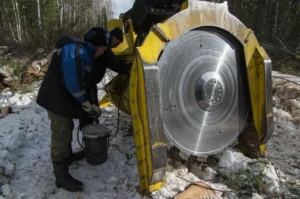
- Test all primary functions under load. Run the boom, grapple, or saw head through its complete range. If you can, lift logs or other heavy loads. Monitor for sluggish or jerky motion. If the machine struggles, there may be issues with the hydraulics or engine. Check that the controls are quick and smooth to respond.
- Inspect the engine and powertrain. Check for leaks, oil stains, or loose belts. Inspect dipsticks and coolant. Listen for consistent running—not choppy or erratic idling. Low hours with lots of wear means something is off.
- Test drive it. If you can, run it on rough ground and up inclines. Keep an eye out for pulling to one side, strange vibrations, or difficulty steering. Have brakes and gears inspected and tested by the buyer. Make sure you test both forward and reverse. The machine shouldn’t make strange noises or smoke.
A checklist keeps you on top of every step and prevents overlooking crucial details. Note what you discover, good or bad, so you can weigh choices and negotiate.
Navigating legal, documentation, and transaction essentials
Used logging equipment can save a ton, but bypassing legal, documentation, or transaction essentials or hurrying the deal can cause major issues later. It’s not simply a matter of handing over cash—it’s about confirming every step of the way. Begin with the seller’s background and credibility. A reliable seller provides transparent information, comes with referrals, and addresses concerns regarding intellectual property or former exploitation. Search for testimonials or request evidence of previous transactions. If the seller’s history is suspicious, that is a warning sign.
It’s wise to get down in the details of the machinery. Request service records, repair history, and hours used. These logs indicate how the machinery was maintained and if it’s going to hold up. For example, if a machine has high hours on it but no typical service history, that’s a red flag. Age counts. Used older gear can be a great deal if it’s well-maintained, but only if maintenance was done promptly. Depreciation and salvage value assist in balancing if the price is fair. A well-maintained 10-year-old skidder with low hours may outperform a newer one that’s been abused.
Checking for proof of ownership is a must. The seller needs to give us a clean title without any liens or encumbrances. Liens indicate that another party may hold a legal claim on the equipment, jeopardizing your investment. Check with your local authorities or online registries where appropriate. Make sure the serial numbers on the machine correspond to the title and bill of sale. If there is a discrepancy or unaccounted numbers, it is best to walk.
Sales contract in writing is a necessity! This contract spells out the conditions and payment schedule, as well as any warranties or return policies. Even if the seller says the deal is “as is,” having it in writing safeguards both parties. Be clear about the expectations: if you find hidden flaws after purchase, what happens? A written agreement can resolve disagreements without guesswork.
Gather every piece of documentation at purchase. That is the title, bill of sale, proof of payment, warranties, and maintenance records. Hold on to copies of everything. Receipts and transfer documents do not only go into your files; they assist you if you ever need to prove ownership later or transfer the equipment in the future.
An in-person inspection or expert review is prudent. Search for indications of surplus welding that was not performed by the initial manufacturer; it may imply prior fixes for cracks or breaks. A shoddy paint job or a machine that’s overly cleaned can conceal issues. Dirt in weird places or new paint on rust are tips the gear was rigged up specifically to sell.
Managing logistics, transport, and after-sale support
Handling logistics in used logging equipment shopping is more than just transporting a large object. Each machine comes in a different size, weight, and shipping regulations. Prior to purchase, verify that the equipment is appropriate for your site requirements and local regulations. Some routes impose weight, height, or even emission limits, so book your route beforehand. If your staff cannot manage complicated transport, employ a third-party logistics provider. These businesses know how to transport cumbersome logging equipment, navigate customs if you’re addressing borders, and assist you in circumventing unexpected expenses. If you’re selling to buyers around the world, working with a logistics firm experienced in international transport could be a wise choice. Always have a specific transport radius. Transporting gear a great distance can add to expenses or even make certain deals unprofitable. Verifying the total price up front ensures you don’t overspend.
Once you’ve agreed on a transport plan, check out the delivery schedule and insurance. Get a definitive delivery schedule. Ask the seller or your logistics partner and get it in writing. Wheels off trucks can lead to site delays and lost money. Assure that the transport company or seller insures the full value of the machine should anything happen on the road. Some insurance policies cover only basic risks, so read the fine print and request additional coverage if necessary. Prior to shipment, conduct a thorough inspection of the equipment. Listen for leaks, loose parts, or wear. Take lots of photos and document the faults. If transit damage occurs, you have evidence for a claim. For expensive equipment, a third-party inspector can provide an additional safety measure.
When the equipment comes in, prepare for unloading and setup. Heavy logging equipment frequently requires cranes, forklifts, or ramps for safe unloading. Verify that your site is equipped with the appropriate tools and crew for managing this. If not, pre-book local services to steer clear of delays. For remote or rugged job sites, consider accessibility. Tight roads or soft ground can make unloading a challenge. Organize logistics to get the machine up and running as soon as possible. This time saving keeps projects on track. Check the site for any environmental or safety regulations, such as oil spill plans or noise limits.
After-sales support is critical. Inquire about parts. Are they readily accessible, or are you going to be stuck waiting for weeks for a delivery? Does the seller provide technical assistance, repair work, or paperwork? Some sellers are great about response times. Others might leave you hanging. Check reviews or speak with previous purchasers if you can. Thinking in advance about repairs and maintenance saves you from extended downtime. Prepare a list of local mechanics or vendors before you require them. Consider the long haul as well. Some regions have updated emissions or noise regulations, so verify that your machinery complies.
Red flags, deal breakers, and practical checklist for buyers
Used logging equipment purchases are major moves that require time and eagle eyes. Gear in this business receives a lot of abuse, so meticulous inspections count. Tiny stuff overlooked can be a lot later. Red flags, deal breakers, and a practical buyer’s checklist. A couple of major red flags and a decent checklist will help you avoid bad deals and save you time and money.
Be on the lookout for mismatched serial numbers, missing paperwork or tampered hour meters. Serial numbers that don’t match on the machine and official documents can indicate stolen property or concealed problems. If the paperwork is gone, it’s difficult to know where the rig came from or what work it performed. An hour meter that appears tampered, reset or replaced is a red flag. The machine lasting way past the warranty is another concern. Warranty, service logs, and buyer’s checklist versus machine condition are important. Request any maintenance logs they have. If the details don’t compute or feel fuzzy, then it’s time to move on.
Stay away from equipment with indications of significant structural repair or concealed damage. Rust patches, uneven welding, or new paint can mask old damage. Examine the boom, chassis, and undercarriage for cracks, bent frames, and evidence of heavy repairs. These usually signify that the machine had a big accident or was run too hard. Loose pins and bushings or joints that move more than they should indicate lack of care. If you see leaks or hear weird noises when the machine runs, that’s a red flag. Heavy use for years can knock the stuffing out of even the best brands. Always look for missing or damaged parts; these can be costly to replace and can be an indicator of more sinister hidden problems.
Reject deals in which sellers refuse inspections or try to push them through too quickly. If he won’t allow you to view the machine up close, test it, or bring a trusted mechanic, it is a huge red flag. Trustworthy sellers embrace checks and will address any inquiries into the equipment’s history. Watch out if they’re trying to hurry you to a decision or will only provide a price that looks terribly low. Super low prices usually indicate there’s something the seller is trying to bury.
Red Flags and Deal Breakers — a practical checklist for buyers. Examine the entire vehicle for wear and tear. Scrutinize the tracks or tires, inspect the engine for leaks, and ensure the controls operate smoothly. Request the complete maintenance and repair history. Double match all serial numbers and scrutinize the paperwork. If possible, bring someone experienced to help. Do some research on the model and find out what common problems it has. Ensure the machine suits your work requirements and that parts are still manufactured for it. Working your way through this checklist steers you clear of expensive blunders, helps you identify issues prior to purchase, and provides leverage for negotiation.