
Log loaders are specifically designed for transporting, loading, and sorting logs in the forest or roadside. Their boom arms are designed to grasp and transport heavy logs, aiding workers in completing their tasks quickly and securely. The right loader can mean the difference between easy days and days that drag on. Understanding the fundamentals of each type helps you pair the right machine with the right task and work site.
For loading logs onto trucks at the roadside, knuckleboom loaders are ideal as they are adept in confined spaces and on uneven terrain. They shine when it comes to continuous, high-volume loading, capitalizing on the common log pile-up after being brought out of the woods. For sorting logs by size or type, knuckleboom loaders or wheel loaders do the trick since they provide excellent reach and control. If you want to stack the logs for storage or firewood, machines with a long reach and firm base, such as wheel loaders or big excavator-based models, are best.
Design factors heavily into how each loader travels and operates. Knuckleboom loaders have bending, folding jointed arms, so they can snake around tight piles or trees and work on uneven ground. Roadside loaders are larger and more stable, but don’t maneuver as well in tight woods or on hillsides. Wheel loaders and trailer-mounted loaders are convenient to transport; however, they can slide or tip on muddy ground or hills. Most log loaders use robust hydraulic systems and engines like the FT4 to maintain power at peak levels and keep fluid consumption to a minimum, both of which save money and time. A smaller hydraulic oil tank also means less down time for refills and oil changes.
Operators must be able to see what they’re doing, and most log loaders afford a broad, unobstructed view from the cabin. This helps keep everyone safe and makes work go faster. Newer models come with add-ons such as precision forestry tools for enhanced control, tracking, and sorting. Interchangeable attachments allow a single loader to perform multiple functions, such as lifting, sorting, and stacking.
Loader Type | Advantages | Limitations |
Knuckleboom | Rugged, nimble, works in tight spots, good reach | Not as fast for large volumes, limited size |
Roadside | Fast cycles, handles high volumes, stable | Less mobile in woods, needs level ground |
Wheel Loader | Versatile, easy to move, strong lift | Can slip on rough ground, lower reach |
Excavator-based | Heavy lift, long reach | Slower cycles, less fuel efficient |
Trailer-mounted | Portable, flexible, low cost | Lower power, small jobs only |
Choosing the right log loader defines productivity and adaptability at every jobsite. Cycle times, lifting capacities, and reach all play big roles when choosing between knuckleboom and roadside loaders. Knuckleboom loaders generally complete loading and unloading cycles faster. Their compact swing and hydraulic power mean they can lift and swing logs with more nimbleness and speed. Roadside loaders, due to their longer reach, can facilitate grabbing logs from a distance or otherwise awkward positions. Top gross power and extended reach models, with arms up to 12 meters and carrying capacity over 8,000 kilograms, can move bigger logs with less effort and clear more hectares per cycle. This reduces gear shuffling and accelerates everyday work.
Versatility is what really matters in real-world use. Multi-functioning loaders can simultaneously grip, cut, and sort logs, resulting in less machinery on site. For instance, certain knuckleboom loaders feature attachments that allow operators to rapidly alternate between log grapples, saws, and buckets without pausing operations. This minimizes downtime and keeps crews on schedule. Intelligent control systems with intuitive interfaces allow operators to maximize every feature regardless of their skill level. Its proficiency with a variety of work, such as sorting, stacking, and loading, translates into less downtime for operators waiting on a different piece of equipment or tool.
Specialized loaders can outperform all-purpose machines for some tasks. A knuckleboom loader with a precision grapple, for example, can lift and position logs with surgical precision, which is important when loading onto trucks or sorting based on size. In dense forests, a roadside loader’s extended reach assists in reaching tight spots without having to relocate the loader. Selecting a loader constructed for particular workloads allows operators to complete work more quickly and with fewer errors, particularly for jobs involving accuracy and delicate handling.
Loader choice impacts fuel consumption and overall job efficiency. High performance yet low oil-consuming advanced engine technologies have already become a standard on many new models. These engines maintain high power and reduce fuel and hydraulic oil consumption, both of which help minimize costs in the long run. With a smaller hydraulic oil reservoir to service, the loader not only refills faster, there is less fluid to change — that saves money and keeps the machine in operation longer. Locally sourced components and parts availability can amplify efficiency, as crews spend less time waiting for repairs or replacements. Preventive maintenance, aided by easily accessible parts, reduces downtime and keeps loaders flexible for new and evolving work.
If you’re hunting for log loaders for sale, knuckleboom or roadside, it’s best to know what specs and features will actually assist on the work site. Selecting the appropriate machine involves considering the capabilities of the loader, its operational mechanics, and its suitability to your specific workload. These key features and specifications to prioritize break down the specs and features to keep in mind, so you can pick a loader that’s both practical and ready to work.
A loader’s lift capacity tells you the weightiest log it can lift reliably. Many loaders come with a peak lifting capacity of 450 kg, which is sufficient for the majority of forestry tasks. Boom reach is equally critical; seek out a model with a reach up to 9.75 meters (32 feet). This allows you to scoop logs from a distance, which accelerates work and reduces repositioning. Stability is provided by a solid frame and optimal base tilt angle. A tilt of ±20° assists in keeping the loader stable, even on slopes or rough terrain. Operator visibility counts as well. Cabs with large windows or elevated seats allow you to view the logs, the terrain, and the crew. This makes working safer and speedier.
Safety is a must in logging. Load monitoring systems display live information on the load weight, assisting in preventing overloads that may cause a loader to tip or components to snap. Reinforced cabs shield the operator from falling logs and debris. Certain cabs include reinforced steel, break-proof windows, and emergency egress windows. These features count most when dealing with heavy, unpredictable loads or in tight woods where accidents can occur quickly.
189 liters or more. This keeps the system cool and reduces downtime between fills. With smooth and precise hydraulics, you’ll be able to gently manipulate logs with control, lessening stress on the machine and simplifying your work. Engine speed counts here too; 1800 rpm is typical for demanding loaders, providing an excellent balance of power and fuel economy.
The features and specs you should prioritize. For forest work, the maximum reach of 9.75 meters and a lift of 450 kilograms are key. If you labor in emission-controlled areas, keep an eye out for DEF capacity. Twelve liters is typical. Transport specs are big too: a width of 2.57 meters and a height of 4.04 meters make it easier to move the loader on roads. Quick-connect systems for hooking up the crane to tractors or other equipment save time and reduce labor costs. Together, all these specs make a loader more practical, secure and simple to operate.
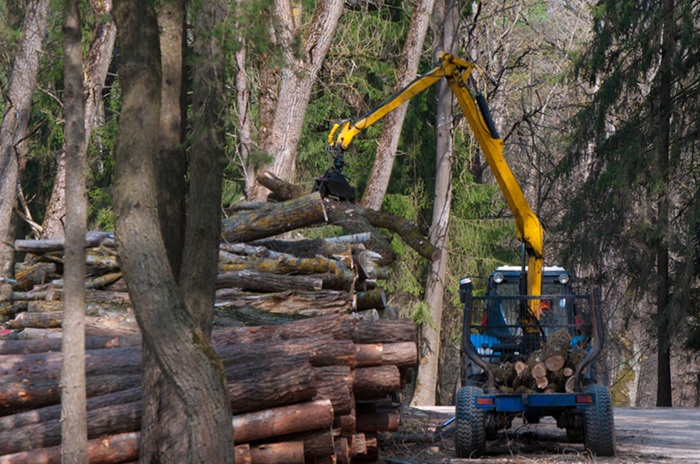
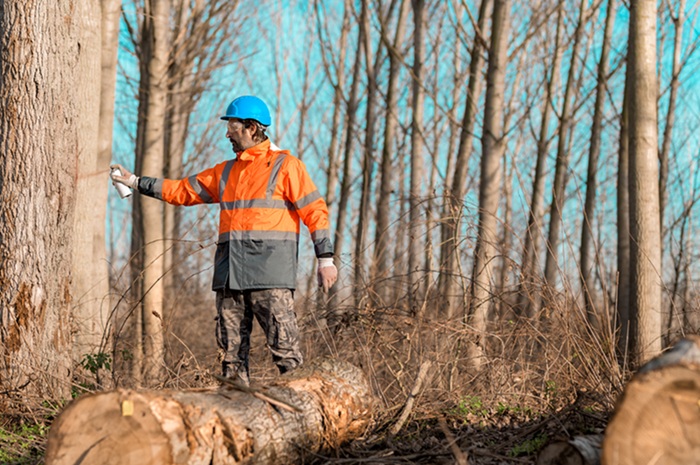
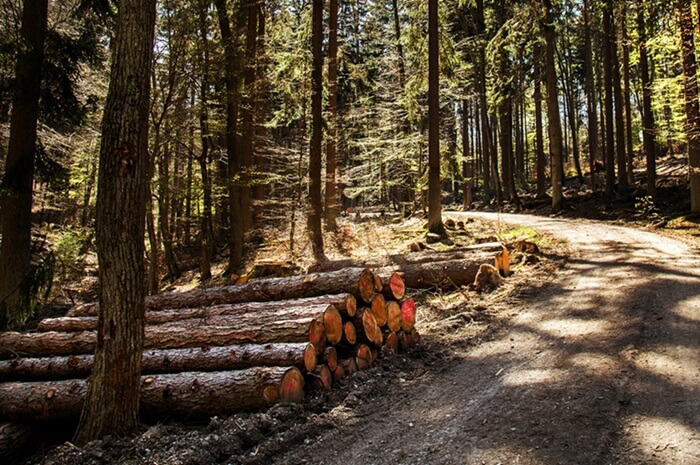

Some come with swappable heads, automatic hill leveling or additional guards for stoney jobs. Tracks, tires, or bogies can be swapped for superior grip or lower ground pressure. Attachments such as mulchers, delimbers or slashers allow you to customize each unit to the work and terrain.
Equipment Type | Model Options | Engine Power (kW) | Reach/Load (m/tons) | Key Attachments |
Harvester | Wheeled, Tracked | 120–210 | 8–11 m reach | Interchangeable heads |
Forwarder | Low, High bed | 130–180 | 10–20 tons load | Crane, extra tracks |
Skidder | Grapple, Cable | 110–190 | — | Winch, tire chains |
Loader | Fork, Grapple, Bucket | 100–160 | 7 m lift, 15 tons | Bucket, log forks |
Feller Buncher | Wheeled, Tracked | 150–220 | — | Disk-saw, shear head |
Maintained log loaders — knuckleboom or roadside — keep jobs on schedule and costs low. The right maintenance, clever engineering and robust servicing all factor into the lifespan and total cost of ownership.
Loader maintenance checklist should begin with daily hydraulic fluid, engine oil, and filter inspections. Lubricate all moving parts and check hoses for leaks or deterioration. Clear debris from the cooling system and keep the electrical connections tight and dry. Inspect the tires or tracks for damage, inspect boom pivots, and verify all safety systems are operational on a weekly basis. When the loader’s hydraulic oil reservoir is smaller, such as 150 liters, rather than 300, oil changes are faster and cheaper. Having all fluids and parts at ground level saves time; no ladders or special tools are needed. Always adhere to the manufacturer’s timing for larger jobs, such as replacing major filters or flushing the hydraulic system.
Build quality and good materials add a huge margin to loader life. Extra-thick steel, heavy-duty welds, and straightforward designs resist abuse and keep maintenance expenses low. A loader with a durable hydraulic system will stand the test of time, particularly in inclement weather or when doing heavy work. If the loader’s engine maintains high power but consumes less fuel and oil, like some of the new models coming out, you will be paying less for fluids and keeping it running strong. Machines with big fuel tanks, such as 400 liters, work longer between stops. Easy designs and accessible parts translate into less shop time and more work time.
Warranties and support count when you purchase a loader. A few high-end manufacturers offer two or even three years of coverage for the entire machine or critical components, with the ability to purchase more if desired. See if the brand provides 24/7 parts support or quick help lines. Some even include live help or service tracking apps. Good support keeps downtime short if something breaks. Brands that keep parts in stock close by or allow you to purchase them 24/7, as some international manufacturers do, get you back on the job sooner.
Total cost of ownership means looking past the sticker price. It includes fuel consumption, routine repairs, oil, filters, and scheduled service expenses. A loader that burns five liters an hour instead of seven saves a ton of money over the course of a year. Parts wear out, so plan for things like hoses, pins, and tires. Depreciation matters too. While some brands retain worth better than others, check out the going rate for used loaders in their age group. A loader with less fuel and oil consumption, reduced downtime, and a strong resale value is less expensive to own over its life cycle.
Selecting a used log loader, be it a knuckleboom or roadside, is about more than dollars and cents. The true worth lies in its state, background and remaining field capabilities. Buyers in need of equipment that will retain its resale value and endure rugged work should focus on some key things.
Checking wear points such as pins, bushings and hydraulic lines is essential. These are the areas that tend to take the worst stress from daily work. Pins and bushings, for instance, should be tight and have minimal play. If there is any slack or grooves, it has been heavily used or badly maintained. Hydraulic lines must be leak or crack-free. Old lines or patched hoses can lead to significant repair in the near future. Inspect for evidence of oil leaks around the cylinders and connections. Even little leaks can turn into big issues quickly. Dents, rust or weld repairs in these areas can decrease the loader’s resale value.
Verifying service history and previous usage provides transparent insight into the loader’s maintenance. Frequent oil changes, filter and part replacements indicate the previous owner stayed on top of maintenance. Missing service logs or gaps can be a red flag. Inquire about work hours, the type of work, and significant repairs. High hours alone are not necessarily a negative, especially if there is evidence of consistent maintenance. In some cases, a unit that has run for 8,000 hours but was serviced on time can be a better buy than one with 4,000 hours and no records. A loader primarily used in soft material might have less wear than one in heavy forestry work.
Brand matters, popular models matter, and resale value. Certain brands, such as Caterpillar or Komatsu, have a reputation for quality construction and robust support systems. Their loaders seem to retain value better. Keep in mind that one of the easiest used loaders to resell are the popular models because parts and service are easy to come by. Any special features or attachments, such as grapples for forestry or forks for material handling, can raise a loader’s value. These accessories increase the machine’s versatility for a variety of different tasks.
To do a thorough pre-purchase inspection, begin with a walk-around. Examine the frame for cracks, rust, or evidence of poor repair work. Inspect the cab for operational controls, unobstructed view and safety equipment. If possible, test all loader functions, including the boom, grapple, and rotation. Listen for strange noises from the engine or hydraulics, such as knocking or whining. Check the odometer or hourmeter, and then cross-reference that with the service records. Consider the condition and resale value of used loaders. Is the asking price much less than the original cost and what similar loaders go for now?
Finding the right log loader means considering more than just price tags or brand names. If you’re in the market for work-ready machines, be sure to verify each loader’s condition, age, and hours run. These indicate the remaining service life for the loader and assist in the identification of concealed wear. Be it a knuckleboom or roadside loader, things like the health of the hydraulic system, smoothness of the swing arm, and condition of the frame count. A machine that’s fresh out of the shop or at least comes with transparent maintenance records immediately strikes me as less of a risk. Seriously, check the serial number and demand full service logs. This indicates whether the loader received regular maintenance or missed major inspections. Some are built for super steep slopes and have tracked carriers to keep them grounded. Others could be fit for mixed terrain or roadside work. Select one that suits your logging location and work requirement.
Buyers have options of new and used loaders. New loaders cost more up front, but deliver peace of mind with warranties and the latest bug fixes. Used loaders allow buyers to save a buck or two, although it’s crucial to ensure the equipment received was well cared for and updated recently. Every now and then, a lightly used one with low hours and recent servicing will perform as well as a new one. Search for evidence of recent inspections, new parts, or certifications that the loader remains up to spec.
Hunt for and buy log loaders that are ready to work. Trusted places to shop include:
On these platforms, buyers can filter listings by price, year, hours, and specs. Looking around can help you identify reasonable offers and steer clear of premium-priced loaders. Where you live changes price as well. Some areas have more supply or less dealer markup.
If a piece of machinery looks like a good fit, make sure spare parts are easy to obtain and operator training comes included. Good after-sales service translates into fewer hours spent idle when issues arise. It’s smart to inquire whether the seller will deal with warranty claims or assist with tricky repairs. Don’t skip this step, buyers! Good support really helps in day-to-day work.
Before you hand over the money, always inquire about warranty conditions. Some dealers provide short parts warranties, while others cover major systems longer. Bargaining over these conditions ahead of time can prevent expensive surprises later on. Nothing says value like a great warranty and a transparent after-sales plan, even when the sticker price is a little higher.
In the log loading world, trends come and go swiftly as new technologies redefine the way crews operate both on the landing and in the office. Telematics and automation are now on board with most new log loaders. With solutions such as TimberMatic Maps and TimberManager, teams can share data live. These tools allow log loaders to scout log piles, monitor loads, and strategize moves. Remote diagnostics enable a mechanic to locate issues remotely, reducing downtime and decreasing the chance of unexpected breakdowns. Data analytics and machine learning are beginning to assist operators in identifying patterns, reducing waste, and achieving more with less.
Electric and hybrid engines are the next big step. A lot of manufacturers are experimenting with or introducing loaders that are battery-powered or combine electric and diesel power. These models reduce fuel consumption and decrease emissions, which is essential for anyone aiming to minimize their impact on the environment. Over the next few years, we will likely see more loaders like the DX300LL-7 and DX300RB-7 provide electric or hybrid options. These new engines assist with adhering to air quality regulations and align with the move toward eco-friendly jobsites globally.
Low-impact, fuel-smart equipment remains in demand. Buyers today are looking for loaders that consume less fuel and create less noise. Knuckleboom loaders, with their swing arm and hydraulic magic, handle logs with more finesse and less loss. That means less load on the machine, fewer hours, and less fuel. Makers are devising engines that comply with rigorous regulations around emissions and fuel consumption. The trend is clear: more jobsites want machines that work well but leave a smaller mark on the land.
Operator comfort and jobsite safety are receiving increased attention. New loaders include improved seating, intuitive controls, and clear displays. Others include cabins with climate control, soundproof glass, and all-around better views. Safety receives a boost from cameras, sensors, and warning lights. Remote monitoring assists as well; it can identify issues before they present an actual hazard. All of these innovations allow crews to operate for longer with less exertion and fewer injuries.