Understanding preventive maintenance for forestry equipment
Preventive maintenance is a schedule of servicing forestry equipment before issues begin, not after. The aim is to detect wear, little faults, and shifts in performance early. This type of maintenance is not a hunch. It’s work you plan according to hours, dates, or how hard the last job was. When you adhere to a schedule, you reduce expensive repairs and downtime. A forgotten oil change or a missed check might seem innocuous, but it can cause breakdowns that stop an entire operation. Preventive maintenance keeps your machines field-ready, safe, and strong.
Scheduled inspection and service constitute the foundation of preventive maintenance. They’re not arbitrary. They adhere to a calendar or hours logged on each machine. Daily duties could be as light as cleaning filters, checking fluid levels or searching for loose bolts. Weekly checks get a little more in depth, like checking belts and hoses, greasing moving parts, and testing safety switches. Monthly can mean full inspections, oil changes, or checking battery health. Maintaining this cadence, crews are able to identify leaks, cracks, and early wear indicators before they escalate. For instance, a worker discovers a tiny crack on a hydraulic hose one day. If repaired before it breaks, there’s no leak, no pressure drop, no interruption.
Critical components of forestry equipment require maintenance. Engines run hard and must check oil level, coolant, air filter clogs, and worn belts. Hydraulics do the heavy lifting and depend on clean fluid, strong hoses, and tight seals. A small leak or dirty filter can stall a loader or render a harvester unsafe. Cutting systems such as chainsaws, blades, or rotary cutters are constantly at risk of becoming dull or jammed. A little preventive maintenance goes a long way with forestry equipment. Even minor components like brakes, lights, and tires have a significant part. Missed checks here could spell more than lost time; they can risk worker safety.
Preventive maintenance is not reactive maintenance. Reactive maintenance involves waiting for something to fail and then repairing it. This can work for non-critical items, but in forestry, downtime leads to lost money and lost deadlines. Preventive steps are scheduled, less expensive in the long run, and keep you away from catastrophic breakdowns. Scheduled oil changes will cost much less than repairing a seized engine. Reactive work causes longer delays, higher expenses, and more stress for everyone on site.
Core benefits of regular maintenance routines
Maintenance schedules for forestry equipment are about more than just rules. They allow you to catch little issues before they get big. This saves you both time and money in the long run. For those managing precious forestry holdings, daily, weekly, and monthly inspections are more than chores—they’re a sound investment. This combination of inspections helps keep equipment protected, functioning properly, and prepared for duty. Preventive care targets zero downtime, ensuring your equipment is always ready to work.
Extend equipment lifespan by minimizing wear and tear through consistent care
These regular maintenance routines provide key advantages. When equipment gets checked daily, weekly, or monthly, components such as chains, belts, and filters last longer. Cleaning air filters and checking fluid levels daily keeps engines humming. Little actions, such as greasing joints and tightening bolts, prevent bigger troubles from sparking. In the long run, there are fewer major fixes and more mileage from the very same engine. That economizes and extracts more life from every buy.
Improve operational safety by ensuring all systems function correctly and reliably
Safeguarding your equipment isn’t just about compliance. It means inspecting brakes, hydraulic lines, and guards frequently to ensure nothing is insecure or worn. Easy things like searching for leaks or checking warning lights can prevent accidents before they strike. When everything functions as it should, injury risk decreases. It safeguards employees, maintains workplace safety, and complies with occupational regulations in many nations. Routine checkups ensure that machinery won’t break down when it counts.
Reduce long-term repair costs by catching minor issues before they escalate
Little problems become giant, expensive breakdowns if you neglect them. For example, a loose belt or a minor oil leak may cause engine failure if not repaired soon. Regular checkups catch these before they do real damage. Research indicates that waiting to repair machines until they break down can be as much as ten times more expensive than simply staying on top of routine maintenance. By maintaining a schedule, forestry managers can schedule repairs, purchase parts in advance of when they will be needed, and avoid premium costs for emergency repairs. This keeps budgets under control and prevents projects from stalling.
Boost productivity by minimizing downtime caused by equipment failure
Downtime is more expensive than the repairs alone. It translates to overlooked due dates, wasted production, and diminished margins. Preventive maintenance routines keep all equipment available and ready to use each day. Core benefits of routine daily and weekly checks spot trouble early so repairs can be made before the machine is needed. With fewer hours waiting for repairs, teams can maintain momentum and hit deadlines. For big operations, just a few hours saved per week quickly adds up over months and years.
Daily tasks for optimal equipment performance
It’s a fact that daily checks make a big difference for forestry equipment. These tasks assist in identifying wear, leaks, or other problems before they escalate. A smart daily routine can prevent surprise breakdowns, save you from expensive repairs, and get each shift off to a smooth start. Each step safeguards the machine and its operators.
Checking your fluid levels is one of the very first things to do before firing it up. Oil, coolant, and hydraulic fluids need to be at the right level or you risk engine damage or loss of power. Top up where necessary, employing fluid types specified in the manual. Hydraulic leaks are typical with these units. Watch for damp areas, drips, or a low reservoir. A tiny drop of oil can indicate a hose or fitting leak. If unattended, it could lead to larger issues or worse, halt work for the day.
Air filters, radiators and moving parts are known to accumulate dust, leaves and wood debris. Clean these daily to prevent clogging and keep the motor from overheating. For those air filters, give them a little tap to shake out the dirt or replace them if they are gunked with it. Radiators perform best when clear of mud and vegetation. Even tiny bits can choke airflow, making the engine heat up quickly. If moving parts such as chains or joints become clogged, it can bog the entire task and wear out parts more quickly.
Tire or track checks are next. Check for cuts, cracks, or objects lodged in the treads. Tyres should be at the right pressure, and this is often indicated in the manual in kilopascals (kPa). Low pressure reduces tread grip and increases the likelihood of a blowout. Tracks should be tight, but not so tight that they stress the drive. Repair any damage immediately to prevent more expensive repair costs. A flat tire or loose track can halt work and lead to injuries.
Safety features and controls need to function properly every day. Inspect brakes, seat belts, lights, and alarms. Handles and pedals should move smoothly without sticking or weird noises. Check warning lights on the dash and don’t ever blow them off. If a light comes on, consult your manual or phone assistance. Try out all emergency stops prior to operating the machine. If any safety part doesn’t work, report it right away and repair it before you begin.
Batteries and electrical systems should be part of daily routines. Make sure your battery holds a charge, with clean, tight terminals. Wipe off any dirt or white buildup, as this can obstruct power flow. Inspect wires for any cracks, bare spots, or loose ends. Any indication of damage repair should be done by a professional technician. Staying on top of them can extend a machine’s life by as much as 40%.
Operators have a big role in these checks. Good training makes all the difference. Everyone must understand the manual, identify warning signs, and immediately report problems. A schedule on paper provides a reminder of what you manage to accomplish and when. Tasks should fit the job’s needs based on what could go wrong, how it might hurt people, or how it could slow work down.
Weekly inspection procedures and adjustments

Weekly inspections maintain forestry equipment safe and running well. Inspecting equipment at a fixed interval allows you to identify issues before they escalate, ultimately reducing repair costs and downtime. This holds for all types of forestry equipment, from giant harvesters to handheld chainsaws. Weekly check for leaks, cracks, rust, and signs of stress or parts that do not line up right. Topping off fluids like engine oil, coolant, hydraulic fluid, and fuel is important. These steps keep gear in good shape, increase work velocity, and keep crews safe in every environment.
Inspect belts, hoses, and wiring for wear, cracks, or leaks. Belts can slip, crack, or stretch. Hoses can split or leak, and wiring might fray or come loose. Check each for soft spots, swelling, or brittle areas. A cracked hydraulic hose might leak fluid, leading to safety and performance issues. If you discover any damage, replace the piece immediately. Catching problems early reduces the chance of massive disruptions during the workday. Even little cracks or loose wires can result in unexpected downtime or worse, so every inspection counts.
Grease all grease points and moving joints according to the manufacturer. Forestry equipment has a multitude of joints and moving parts that require grease to prevent wear and rust. Take a grease gun and apply grease to all those grease points marked on the machine, like pivot arms, bearings, loader pins, and more. Missing even one lubrication can cause metal to grind on metal, wearing down parts quickly. Certain equipment, such as forwarders, have more grease points than others, so be sure to consult your manual. Wash off old grime and grease prior to application, as residue can conceal cracks or soft areas. Good lubrication means easier work and less wear, saving you money in the long run.
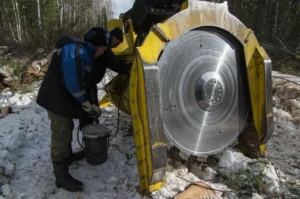
Check blades, chains, or cutting edges for sharpness and damage, replacing if necessary. Dull blades and chains are more dangerous and do not cut as well. Dull or chipped pieces can bog work and twist the machine. For example, chainsaws usually require chain sharpening or a new filter on a weekly basis based on usage. Look for bent, broken, or missing teeth. Replace anything that appears worn or torn. Wash the blades as well, as sap and dirt can accumulate rapidly. Sharp edges mean less strain on the rest of the machine and better results out in the field.
Check all bolts, nuts, and fasteners and tighten as required to maintain machine integrity. Daily vibrations from use can cause fasteners to come loose over time, dislodging or breaking parts. With the right tools, inspect every nut, bolt, and beyond, with special focus on high-stress areas such as blade mounts and loader arms. Tighten as needed, but don’t overdo it. Too much force can strip threads. If you discover a missing or damaged fastener, replace it. This simple step helps keep the whole machine together and working as it should.
Monthly maintenance activities and documentation

Monthly maintenance for forestry equipment includes steps that extend beyond daily and weekly routines. These actions aid in catching problems before they become major fixes or downtime. Solid monthly maintenance is about taking in the full works, not just the bits that churn the most. It means recording what’s accomplished and what requires repair. This aids trend-tracking, weakness-spotting, and rule-following. While many maintenance squads consider these monthly chores to be essential to extended equipment life, there are varying opinions on the optimal frequency. Most brands and experts concur that blending daily, weekly, monthly, and seasonal inspections is the optimal approach to keep machines protected and operational.
One of the hunkiest jobs is to wash or replace filters, like fuel, oil, and air filters. Mucky filters can drag down motors or harm gas mileage. Most makers recommend checking or replacing these filters on a monthly basis. Hard use or dusty woods may require doing so sooner. For instance, a harvester operating in dry, windy forests might require its air filter to be cleaned or replaced more frequently. Checking filters every month can keep engines safe from dirt and keep fuel clean, which can prevent on-the-job breakdowns.
Checking the hydraulic system is another major work. Hydraulics drive everything from saws to arms. Minor leaks or pressure drops are frequently overlooked in routine inspections. A monthly look involves inspecting hoses for leaks, scanning for damp patches and ensuring that every joint is secure. It is wise to check fluid levels and inspect for dirt or air leaks. Contaminated or low fluids can cause sluggish response or damage within pumps and cylinders. All this can help catch trouble before it causes an expensive repair.
Batteries and wires require diligent monthly inspections as well. Weak batteries or bad terminals may be the cause of starting problems or slow machines. Just something as simple as checking charge levels, looking for rust or build-up on terminals and cleaning them with a wire brush can stop power loss. For electrics, ensure all links are tight and the battery is well held down. This is an easy step, but it goes a long way to keeping machines primed to start each day.
Documenting your work, job by job, is as important as the work itself. Maintaining a log or checklist for all maintenance ensures that nothing is overlooked. This log should detail what was inspected, what components were swapped, and any repairs accomplished. Including notes on belt and chain inspections, top-ups of fluids, and battery work makes it easier to identify trends over time. Logs help satisfy safety or audit regulations and can reduce repair costs by demonstrating which corrections are common. Teams typically discover that such clear records reduce omitted steps and aid training. Getting everyone to fill logs is a hassle when work becomes hectic.
Planning, scheduling, and tracking best practices
Preventive maintenance for forestry equipment works best when constructed on a well-defined plan, with each step outlined and monitored. There’s no magic bullet, so tailoring a calendar that works with the tools and tasks is crucial. A harvester employed daily will require a tighter schedule than a mulcher used here and there. Decompose tasks into daily, weekly, monthly, and annual lists. For instance, daily checks could be fluid levels and simple safety inspections. Weekly tasks can encompass filter cleaning and minor adjustments. Monthly routines might mean deeper checks such as hydraulic system inspection or software updates. These might include full overhauls and detailed performance reviews. That way, nothing falls through the cracks and every piece of equipment receives what it requires when it needs it.
It makes a huge difference to assign the jobs to the right people. It tends to assign names to who’s on each job, making each person clear on what they need to do and when. Either board, a shared digital tool, or a simple chart marks who’s on daily checks, who does the weekly deep cleans, and who fills in for the monthly and annual reviews. Crew supervisors plan out the week for each team considering who’s got the skill set to tackle each task. This eliminates lost time and accelerates work. Be sure everyone can see the schedule and what is expected. Clear lines mean less confusion.
Digital tools and maintenance software transformed how teams plan and track. They can deliver reminders, maintain digital records, and even forecast failures based on data. For instance, a maintenance management platform can deliver alerts for tire rotation or oil changes and maintain a record of every repair or inspection. There is no more guesswork and a better, traceable record for audits or reviews. For global teams, these enable fast updates and allow folks in other locations to check in on maintenance work without waiting for a paper log or manual update.
Reviewing maintenance is critical to improving the system. Once a quarter, review and revise checklists and logs to ensure they reflect the work being done. Search for patterns, such as components that tend to break more frequently or tasks that exceed the estimated time. Use KPIs such as mean time between failures (MTBF), mean time to repair (MTTR), and planned maintenance percentage (PMP) to identify what’s effective and what’s not. If one variety of equipment requires more fixes than the others, modify the plan to include additional inspections. Be flexible—equipment use and needs move around, and so should the calendar. Always leave some room for urgent work or new priorities, so nothing critical falls behind.
Addressing challenges and common mistakes in preventive care
Preventive care for forestry equipment demands more than a checklist. It’s about intelligent scheduling, defined responsibilities, and candid auditing. Even expert pilots encounter obstacles, from missed checklists to missing training. These problems can increase expenses and damage uptime, so it’s worth breaking them down.
Skipping tasks is the typical slip, either because of crushing deadlines or the illusion that ‘it won’t matter this time’. Skipping a few daily or weekly checks can let minor issues escalate into major, expensive breakdowns. Studies demonstrate that when they run until they break, the ultimate expense can be as much as ten times higher than following a preventive maintenance schedule. This is why a routine, daily, weekly, monthly, and even seasonal schedule makes all the difference. A proactive schedule isn’t just busy work. It detects problems early and minimizes repair costs. Prioritizing helps, too. Some checks count more for safety or staving off work. By prioritizing them by what’s most important, you make sure that the highest risks get dealt with first, so no one spends time or money on low-impact work.
Training is another major impediment for groups. Even the best plan falls down if people don’t know how to follow it. Proper operator training is not an option. Workers require actual experience with the actual machines, not just a book. Demonstrate how to check oil, identify worn hoses, or clean filters step by step. Ensure everyone understands what to watch for, when to report, and how to complete logs. Research suggests that each hour used to map out care saves crews three hours of actually doing it. This only works if everyone is on board, so refresher sessions and cheat sheets do wonders.
Record keeping can lag as well. Partial logs lead to no one knowing what has been done. This can result in redundant effort or, even more problematic, skipped steps that endanger gear. Here, standardized reporting formats help a lot. Easy-to-fill forms or digital checklists that require sign-off make it explicit who did what and when. This not only speeds up audits but identifies trends, such as a particular piece of equipment that requires more repairs than the others. It generates trust with the entire crew because nobody likes to do repairs twice or leave an important task undone.
Complacency can set in. Once systems appear to work, it’s convenient to slide. Audits keep us all honest. Audit logs observe how checks are performed or even switch teams for a day and you’ll uncover gaps. Reinforcing why preventive care matters, for example, sharing statistics on how much downtime was averted, helps keep the emphasis potent. It’s wise to verify that maintenance isn’t overdone, as excessive work can increase expenses without improving effectiveness..