Understanding normal wear patterns
Normal undercarriage wear refers to gradual, uniform wear of components over time that corresponds to what the manufacturer anticipates and what suits the application. Most brands provide specific instructions for what is considered “normal,” based on typical hours, loads, and types of terrain. For instance, even surface wear on track shoes, gradual pitch stretch in chains, and uniform grouser height on all shoes indicate that things are wearing properly. Even wear marks on rollers, idlers, and links, without sporadic spots or deep gouges, indicate vigorous but good use. They result from consistent loads, solid earth, and regular inspections, not one hard job or neglected maintenance.
Normal wear is gradual and consistent. It doesn’t skip all around or have weird, deep gouges. If you notice that one side of the track has shorter grousers or more worn rollers, this is an indication of uneven wear. Fast or irregular wear, such as sharp edges, deep grooves or sudden fractures, typically indicates more significant issues. Excessive track tension, poor alignment, or caked dirt between components can accelerate damage. If a track roller flange wears much faster on one side or links begin to stretch at bizarre speeds, it’s probably not normal. These tips help identify problems before they become fractures or expensive downtime.
The ground and job site have a huge impact on how the undercarriage wears. Hard, rocky soil causes metal to wear more quickly than soft, sandy soil. If a mower runs mostly on slopes, cuts sharp corners, or drives at full throttle a lot, components like rollers and links will wear out faster or strangely. For instance, aggressive turning on concrete or packed clay will make one side’s rollers and idlers wear more than the other. Substances such as clay or wet sand will pack between links and rollers, quickly increasing wear if not cleared out. Regular track cleaning prevents this and keeps wear patterns more normal.
Establishing a baseline of wear is important. Begin with a complete undercarriage inspection when the machine is new or rebuilt. Record roller height, link pitch, grouser thickness and track tension with notes or photos as well. Track hours and what work the machine performs. Daily visual checks, tension tweaks and regular cleaning count. As time passes, compare new wear to your baseline. If wear rates remain consistent and meet manufacturer specs, that’s normal. If things shift quickly or appear strange, investigate further. Skilled pilots assist by selecting flat corners, steering clear of extended fast straights and announcing shifts promptly.
Component-specific wear signs
Component-specific wear signs tend to get started slow, emerging as subtle shifts in the visual or audible characteristics of components. Being familiar with what’s normal for each of these key components—tracks, rollers, idlers and sprockets—makes it easier to detect issues before they become expensive. Each component exhibits wear in its own distinct manner. However, the majority of indications are simple to detect with a conscientious daily inspection.
On tracks, typical wear manifests as progressive thinning of the pads and a corresponding slow decrease in tread depth. Steel tracks usually display scuffed or polished metal, and rubber tracks both lose tread and begin to cut or crack slightly. A little edge-rounding is to be expected. Component-specific wear signs include uneven wear on track pads, where one section is more worn than the rest, which can mean improper use or track tension that should be checked. In abrasive conditions like sand, gravel, or concrete rubble, steel and rubber tracks can wear two to three times faster than on normal soil. Rubber tracks, relative to steel, wear quicker on abrasive terrain but provide a smoother ride on hard surfaces.
Rollers should present a smooth surface with uniform wear around. On steel rollers, the diameter gradually reduces. Once a bottom roller loses approximately 10% of its diameter, it’s time to replace it. In abrasive or rocky areas, rollers can develop deep grooves or flat spots more quickly. Rubber rollers can get cut or have chunks missing. Misaligned rollers can show more wear on one side or squeak. If you hear squeaks, grinding, or sense increased vibration, inspect for damage or loose components.
Idlers wear slower than rollers but can still show signs such as flaking paint, pitting, or grooves in the running surface. Both steel and rubber idlers should wear evenly. Component-specific wear signs. If one side wears faster, it might be misaligned. A strange noise or wobble means it’s time to take a closer look.
Sprockets should have evenly toothed and smooth surface wear. Teeth become pointed or hooked with age. If teeth are sharp or chipped that’s not normal and indicates the sprocket is close to being done. Sprockets with the wrong pitch or sprockets accelerate wear of the sprocket and chain.
Checklist for tracking wear:
- Tracks: Check pad thickness, tread pattern, cracks, and look for uneven wear across sections.
- Rollers: Measure diameter, look for smooth wear, and check for side-to-side wear or noise.
- Idlers: Look for pitting, grooves, and even wear. Spin to see if there is a wobble.
- Sprockets: Inspect teeth for shape, sharpness, or chipping and fit with chains.
- Hear and sense strange sounds, shudders, or skids when operating the equipment.
- Look over all components after operating in sandy or rocky conditions.
- Take at least five minutes a day for pre-operation checks. This minor effort can avert the majority of failures.
Key factors influencing wear rates
Undercarriage wear occurs over time. The rate and pattern of that wear are dependent on more than just hours logged. Each machine, from compact track loaders to excavators, encounters a variety of environments and practices that shift when and where wear presents itself. Knowing what can accelerate or decelerate undercarriage wear helps owners and operators avoid expense and downtime.
Working habits are a major factor in the wear rates of undercarriage components. Some common habits that increase wear rates include:
- Driving at high speeds for long stretches
- Taking sharp turns or making three-point turns often
- Counter-rotating tracks on the spot
- Operating on steep slopes or rough, uneven ground
- Hauling loads that stretch the machine’s limits
- Letting debris build up around tracks and rollers
Habits add up. For instance, making frequent sharp turns will wear down track edges, while driving over rocks or other hard debris can press dirt into a roller, increasing wear. On abrasive jobs, such as quarries or demolition, dirt and rock shards become embedded under immense pressure, which can soon pit rollers and idlers. If you use a machine on soft ground one day and rough rubble the next, the blending will be visible in the wear patterns.
Maintenance can slow wear and save money. Cleaning undercarriages daily can reduce wear by up to 30 percent. Mud, sand, and stones left on tracks can trap moisture and grit against metal or rubber, accelerating corrosion and abrasion. Lubrication is significant as well. The number one reason for excessive wear on carriers and tracks is grease. Grease keeps rollers and pins moving smoothly, and if skipped, parts can seize, resulting in flat spots or scalloped track pads. They may be unappealing, but regular checks catch trouble early. Measuring roller diameter, checking for leaks, and spotting worn seals or missing bolts give owners a chance to fix small issues before they cost more.
Environmental factors such as moisture, temperature, and debris contribute significantly to wear rates. Wet conditions allow grit to adhere to parts in motion, while intense heat can degrade rubber and accelerate metal wear. In cold climates, ice and snow can press debris into every nook and cranny, grinding down seals and bearings. Machines that operate in salt water or chemically rich locations experience even more rapid degradation if components are not cleaned and inspected more frequently.
Operator training is a huge factor in controlling wear. Expert riders understand how to not whip into a turn, run on a slope or recognize the sensation of a track that’s too loose or tight. Improper track tension, whether loose or overtightened, can cause slippage, uneven loading and strain on bearings. Bent frames or worn idlers can cause the track to be tilted to one side, resulting in wear on that side, such as flange wear or uneven side wear. Training helps identify these issues and prevents them early.
Cost implications and budgeting
Undercarriage wear is a factor that greatly influences a machine’s total cost of ownership. For fleets, undercarriage repairs can consume approximately 50% of the repair budget annually. Variations in machines and jobs alter how frequently you will encounter these expenses. For instance, an excavator performing a heavy-duty job at pressures up to 5,000 psi will experience quicker parts wear than a lower-pressure excavator performing lighter work at 3,550 psi. Heavy-duty undercarriages run around 20% longer than general-duty, which can really add up over time, particularly in rock or abrasive ground conditions.
Direct costs arise when you replace worn components such as rollers, tracks, or idlers. A complete set of tracks for a heavy excavator could cost $4,000 and rollers can add an additional $1,500. For lighter machines, costs decline. Tracks may run closer to $1,500 and rollers $600. Maintenance costs are smaller. Tightening bolts, greasing, and cleaning can run just a few hundred dollars a year if you keep up with it. By repairing minor issues in the early stages, you prevent them from becoming more extensive and expensive fixes.
It’s risky to wait too long to address wear. If you ignore early warning signs like loose tracks or noisy rollers, you may be left with a breakdown. This causes unplanned downtime, which is far more expensive than mere parts. Lost work hours and delays along with emergency repairs can drive bills up by the thousands. A missed maintenance check can cause a damaged undercarriage that could cost over $8,000 to repair if your frame or drive motor is damaged. For fleets, these surprise costs make planning and budgeting a lot more difficult.
A smart way to handle these expenses is to budget for regular undercarriage inspections and small repairs. Budget annually for inspections, greasing, bolt checks, and small part swaps. An easy way to keep costs low is by scheduling an annual maintenance appointment. Routine inspections detect early wear, allowing you to prevent problems before they escalate. This keeps repair bills predictable and prevents the spikes associated with major breakdowns.
Below is a table to show how costs can add up, comparing routine care versus fixing major problems after neglect:
| Maintenance Type | Annual Cost (USD) | 5-Year Cost (USD) | Downtime (hours/year) |
| Routine (Proactive) | $800 | $4,000 | 8 |
| Major Repairs (Reactive) | $3,500 | $17,500 | 40 |
Keeping ahead with a plan costs less and minimizes downtime. Costs vary by machine, job, and usage, but routine maintenance almost always returns dividends.
Proactive maintenance strategies
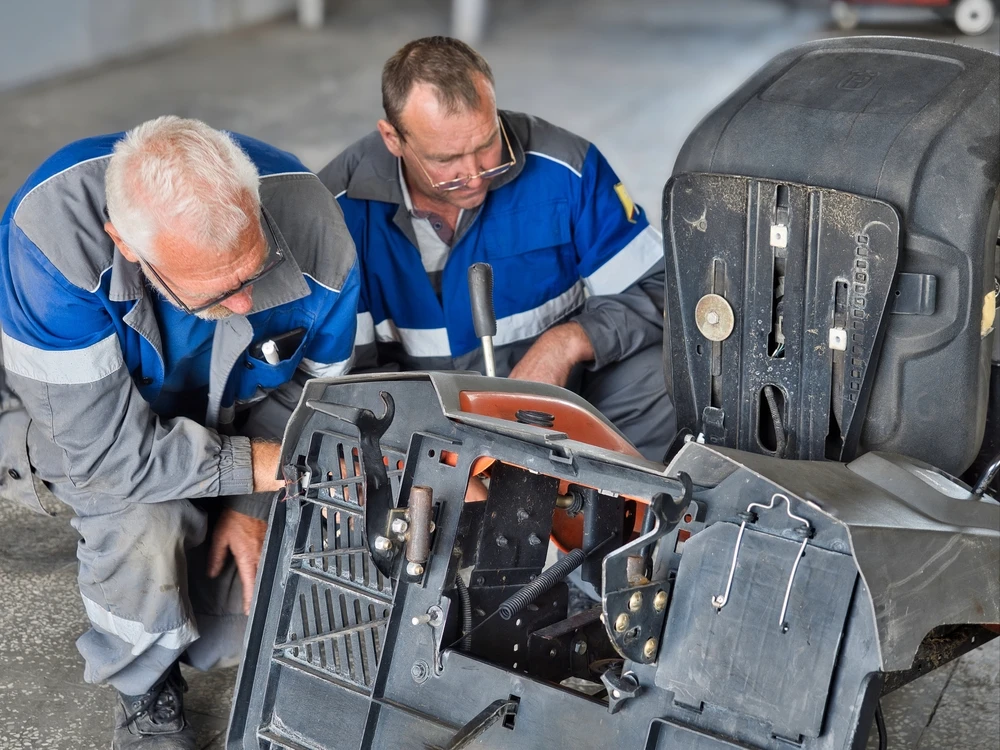
Proactive maintenance is trying to beat wear and tear. When done right, it keeps the undercarriage working longer, reduces downtime and saves you money. Research indicates that these proactive maintenance strategies may extend the service life of undercarriage components by 2 to 3 years. They can cut costs by up to 30 to 50 percent. It all begins with a plan and consistent habits.
A solid schedule is the foundation of quality track maintenance. Here is a point-by-point checklist for daily, weekly, and monthly inspections, making the process simple for any operator or owner:
- Daily: * Look for loose bolts or missing components.
- Check for leakage around rollers and idlers.
- Rake out any mud, stones, and other debris caught in tracks.
- Monitor for any uneven wear or damage on shoes and links.
- Listen for strange noises while the machine operates.
- Inspect track tension and tighten if necessary.
- Weekly: * Inspect rollers, idlers, and sprockets for wear.
- Examine the track pads.
- Conduct a track alignment test.
- Monthly: * Measure wear on pins, bushings, and rollers.
- Inspect structural components for cracks or corrosion.
- Audit maintenance logs and identify patterns.
Undercarriage cleaning is not merely a cosmetic concern. Dirt, sand, and gravel, like sandpaper, wear down metal speedier. This problem is exacerbated on harsh or wet sites. Good, regular cleaning washes these abrasives away and helps parts last longer. Even a quick wash down at the end of each shift matters, particularly in corrosive or muddy conditions.
Many premature undercarriage failures stem from incorrect track tension or poor alignment. If a track is over-tight, it will stress every component, and a loose track will skip or derail. Tension adjustment and keeping tracks lined up should be standard. For instance, check tension after a large change in weather, as heat and cold can shift it. Misalignment accelerates roller and sprocket wear, increasing repairs.
Recording each step taken creates a transparent service history. This log aids in identifying trends of wear, which simplifies scheduling of repairs or replacements. Knowing when pins and bushings were last turned, for example, can help determine whether it’s worth providing the track chain with a “second life.” This is just smart if the timing and cost work out.
Knowing wear is the secret. Look for the five main failure types: abrasion from gritty soils, impact from rocks, adhesion from sticky mud, corrosion from water or chemicals, and misalignment from track issues. Each requires a different solution. Spray using wear resistant steels, such as boron alloys (23MnB or 35MnB), in high stress areas extends parts life.
Scheduled inspections indicate when to replace aged components before they damage other mechanisms. For bottom rollers, a 10% reduction in diameter, say, from 150mm to 135mm signals replacement. If you wait too long, it can wreck the frame or track chain.
Monitoring and technology adoption
Smart undercarriage wear management has long left the realm of manual inspections and ballpark estimates. Digital monitoring systems now track wear in real time, sending alerts when parts exceed safe limits. These systems track wear data, forecast remaining service life, and assist in maintenance scheduling. With this approach, teams can schedule repairs during project lulls, reducing unforeseen downtime by up to 40%. A tracked excavator equipped with an advanced undercarriage management system can prevent unexpected failures, which helps job sites stay ahead of schedule and keep costs in check. New undercarriages need extra attention as well. Tension should be monitored weekly for the first month to identify problems early.
Manual checks are still prevalent, but they have constraints. Calipers and gauges, for example, allow technicians to measure roller diameter or lug height, but the process is slow and can overlook early indicators of trouble. Automated systems rely on sensors and cloud data to monitor more closely. This facilitates early identification of change and action before it becomes expensive. Here is a table showing key differences:
| Method | How It Works | Pros | Cons |
| Manual | Use calipers/gauges, visual checks | Low tech, low cost | Prone to error, time-consuming |
| Automated | Sensors, digital records, real-time alerts | Fast, accurate, predictive | Higher upfront cost |
Adding telematics takes this a step further. Telematics systems read data from sensors on the machine and push updates to a central dashboard. This allows owners or managers to monitor the health of each undercarriage and anticipate failures before they occur. A manager can be alerted when a roller’s diameter decreases by 10 percent, from 150 mm to 135 mm, or when a grouser lug erodes to 50 percent of its height, for example, from 20 mm to 10 mm. This allows teams to decide intelligently when to fix or replace components, which reduces repair costs and keeps equipment optimal. Neglecting your undercarriage can result in unplanned downtime, increased costs, and missed project deadlines.
When paired with the appropriate apps or software, inspection reporting and analysis can become faster and more reliable. Certain applications allow users to capture images, record inspections, and send reports to teams immediately. Software with its own analytics can detect wear patterns and identify problems that may not be immediately apparent. Part wear tracking apps can assist teams in selecting optimal parts replacements and timing the work, extending service life by two to three years and reducing costs by thirty to fifty percent.
The undercarriage is a significant portion of overall maintenance expenses, up to 50% for most equipment. Leveraging digital tools and preemptive checks is essential to keeping costs down and projects moving.
Real-world scenarios and lessons learned
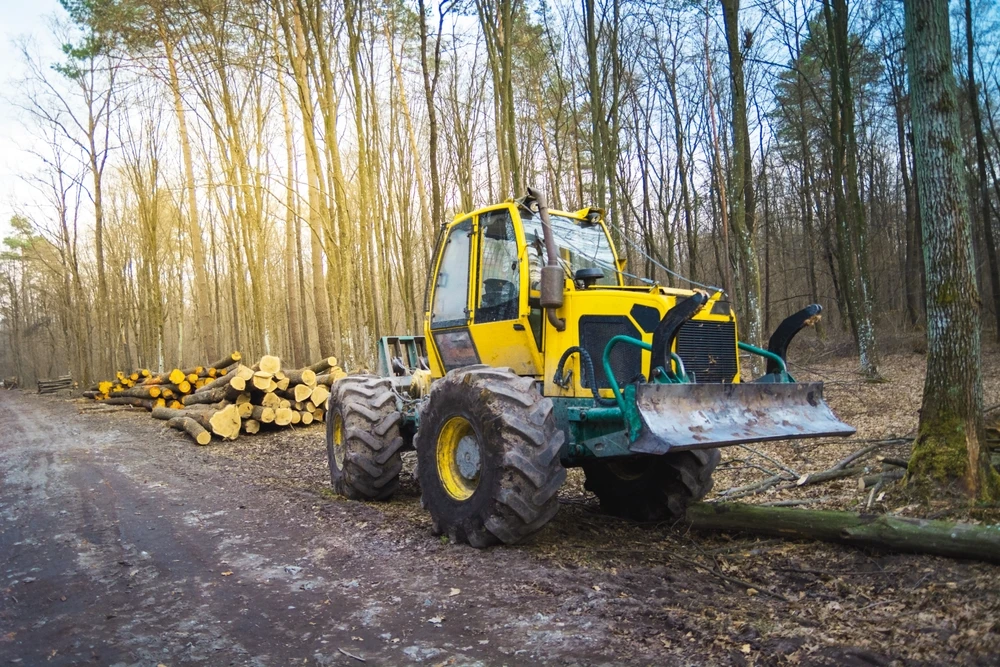
Undercarriage wear is universal, regardless of the machine or jobsite. What distinguishes a smooth running operation from an expensive one is how teams identify and respond to wear early. Having a baseline understanding of what ‘normal’ looks like catches subtle changes before they become big. In a recent mining project, during a weekly check, a manager observed uneven track shoe wear. That’s how the team swapped the shoes just in time, just before a complete meltdown, saving days of downtime and a few thousand euros in lost work. Small measures, such as weekly inspections of track tension and wear patterns, can go a long way. When teams understand what’s standard, they detect the initial indications of issues. Early fixes make parts last longer, and big repairs are hard to find.
Deferred maintenance always appears in the statistics. In one example from a Southeast Asian quarry, operators deferred track link replacement to save expenses. The links eventually gave out, tearing up the track and putting the machine down for a full week. The site lost over 12,000 euros in production, which was much more than the cost to replace promptly. This cycle echoes across continents, from isolated mines to urban offices. For each day a machine idles, that lost opportunity cost can rise into the tens of thousands, erasing any upfront savings gleaned from inexpensive or deferred decisions. Operators out in the sticks have a problem with having parts delivered. A late order or low-grade part can double downtime. So consideration of logistics, supplier reliability, and the true cost of wasted time ought to inform all purchasing decisions.
Others have been able to get extra undercarriage life with obvious maintenance schedules and best practices. In one construction company, the crew would routinely inspect tension, clean tracks, and record any wear. By holding onto forged parts—strong, long-lasting—they prevented early breakdowns. Forging, instead of casting, makes parts such as track links and bucket teeth stronger and able to withstand thousands of hours. Another key lesson is that investing in parts from reliable suppliers pays off. A cheaper part may shine at the start, but it tends to wear quickly, necessitating early swaps and even bigger potential failures. Quality, in both material and maker, translates to fewer surprises and smoother runs.
Here are common mistakes that often lead to higher costs:
- Skipping regular checks—small issues turn into big failures.
- Picking cheap parts—low cost upfront, high cost later.
- Ignoring supplier reliability—unpredictable delivery leads to longer downtime.
- Ignoring logistics, remote area delays can stop work for days!
- Not monitoring wear patterns missed early indicators that translate into pricier repairs.
- Using cast instead of forged parts—less strength, shorter lifespan.