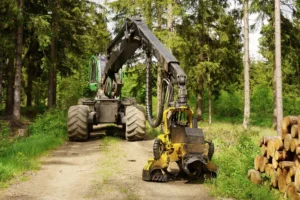
Understanding skidder roles and types
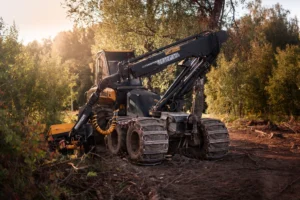
Skidders are at the heart of contemporary forestry. Their primary function is skidding felled logs from stump to landing where they are then loaded for haul. This step is key for maintaining a logging job safe and on schedule. Skidders work on steep, rough, and debris-strewn terrain. They have to skid logs that can weigh many tons at a time. The maximum slope a skidder can operate on is determined by the machine’s size, weight, and traction.
There are two main types of skidders: cable skidders and grapple skidders. They each operate differently to transport logs. A cable skidder employs a powerful steel cable, a winch, and chokers. An operator exits the cab and winds these cables around each log or log bundle. A second operator, the choker setter, is required to position the cables and signal when it is safe to pull. This manual process is more time-consuming, but it allows laborers to retrieve timber in areas where skidders cannot easily maneuver, such as dense forests or steep hillsides. Cable skidders are frequently employed in selective logging, where only certain trees are felled and the remaining cannot be damaged.
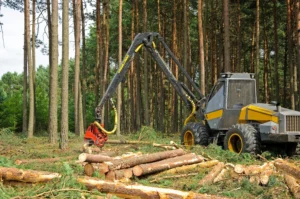
Grapple skidders employ a large hydraulic claw, known as a grapple, to seize and lift logs. The operator remains in the cab and retrieves logs unassisted. This is quicker and more secure, since it doesn’t expose folks to rolling logs. A good rule is to grip the logs about three feet from the cut end, as this balances the load and keeps the logs from swinging. Grapple skidders are best for open, clear-cut areas where the ground is clear and there’s room for large machines to maneuver. They are most effective when there are numerous logs to be moved from a broad front and when the work requires rapidity and reduced hand labor.
Where cable skidders really come into their own is on jobs with tight, uneven ground or around trees that must be spared. They work well in small or selective cuts and for work in dense or hilly forests. Grapple skidders are ideal for open cuts, large-scale operations, or anytime just one operator is needed to maintain high speeds. They differ in their employment for skidding different types of timber.
Skidder technology has evolved significantly. Early models were rudimentary, with minimal protection for the operator. Today’s skidders have safer cabs, improved controls and more powerful hydraulics. These enhancements assist in increasing daily work output and reducing the risk of injury. Thanks to this innovation, today’s skidders aren’t just faster; they’re safer to operate, even in the most rugged woods.
Grapple versus cable skidders explained
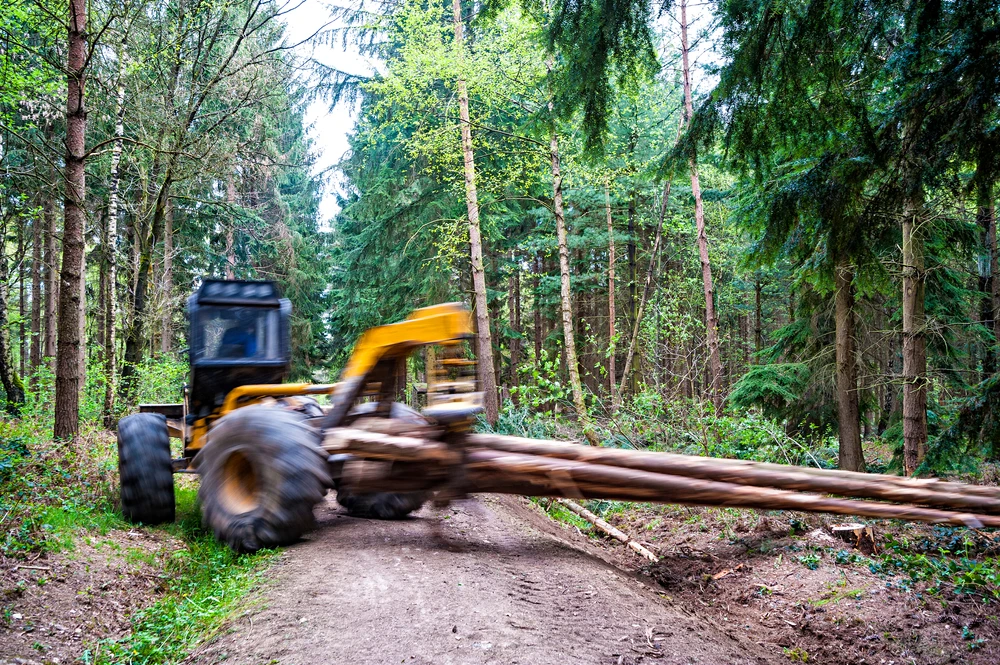
Grapple and cable skidders both assist in extracting logs from the woods. They have different work styles and optimal applications. Choosing the appropriate one depends on your land, timber, and job size. Each style brings trade-offs that influence how work is done and by whom.
Grapple skidders rely on large, hydraulically powered arms to snatch logs and lift them off the ground. The arms operate sort of like a claw. Once the operator aligns, the machine clamps down on a bunch of logs at a time. This method is most effective at open sites with room to move and swing the grapple, like a clear cut or flat ground. Grapple skidders can drag big loads in a single pull, which is time-saving and means one person can operate the entire job. They don’t work so well for selective harvests in thick woods. Grapple arms require room, and it’s difficult to access in close quarters or extract individual logs between standing trees. On steep slopes or soft soils, the machine’s heaviness can damage the ground. A lot of foresters like grapple skidders for large, rapid work, but a little bit less for meticulous or small-scale harvests.
Cable skidders utilize a rear-mounted winch, heavy-duty cables and chokers to drag logs. The operator controls the winch, while a second individual frequently assists in wrapping the cables around individual logs. This configuration excels in hard to reach areas, such as rough terrain, hillsides, or where logs are dispersed or lurking in heavy timber. With cables, you can access logs over rocks, across ditches, or in places where it just isn’t safe to drive a grapple. Cable skidders are common in selective harvesting, where crew members must cherry-pick specific trees without damaging others. The trade-off is that cable skidders require more labor and take more time. Each log has to be hooked manually, which is slow and unrelenting work. For some, returning to a cable skidder after a grapple is slow and hard. If a job requires a cable to get to logs, a grapple won’t do much good and can obstruct the operator’s view.
For timber species, grapple skidders work best with straight, even stems, such as pine or eucalyptus in plantations. Cable skidders handle crooked, forked logs or logs jammed in inaccessible areas, which makes them ideal for mixed hardwood stands or uneven forests. Soil condition is important as well. Grapple skidders are heavy and can sink in soft ground, while cable skidders can remain on solid pathways and drag logs to themselves. Grapples are fast for close haul, and cables can span far.
| Key Differences | Grapple Skidder | Cable Skidder |
| Operator Needed | 1 | 2 |
| Mechanism | Hydraulic grapple arm | Winch, cable, and chokers |
| Best Terrain | Open, flat, accessible | Steep, rough, dense woods |
| Timber Type | Straight, uniform stems | Mixed, crooked, or scattered logs |
| Job Suitability | Clear-cutting, large volume | Selective harvest, tough access |
| Setup Time | Short | Long |
| Maintenance | Hydraulic system, moving joints | Winch, cable wear |
Evaluating performance in diverse environments
Grapple vs cable skidder – Need help evaluating performance in various sites. Site shape, tree spread, and ground type all guide which skidder suits best for the task.
Grapple skidders excel in open and flat areas. Their design allows them to grab bundles of logs quickly, requiring less labor. In open spaces with ample room to navigate, they maintain a consistent speed and can empty large loads quickly. In steep or dense forests, their yield decreases. Studies indicate that slopes beyond 30 to 40 percent cause problems for wheeled machines like grapple skidders. A study of grapple skidder yield at different slopes found yield on steep ground to decline up to 45 percent relative to flat or mild slopes. Dense woods or tangled brush bog them down, as it becomes more difficult to lift and drag logs without striking stumps or trees. On flat terrain, they can be as high as 117 m3 per productive machine hour, but this figure declines as the terrain becomes rougher or steeper.
Cable skidders have a proven track record on difficult or steep terrain. They employ winches and cables to extract logs from inaccessible locations. In thick forests or on slopes greater than 20 percent, cable skidders can continue to operate where grapple skidders may break down or even become mired. This is essential for work on rocky hills or moist, soggy dirt. Steep slopes still affect their velocity. On slopes steeper than 48 percent, any skidder type, including cable, encounters issues such as slow cycles and increased wear on equipment. Cable skidders can manage the drag and pull required on slopes better, even if it’s slower. The slowest tasks for grapple skidders — dragging cable and hooking up — consume 28 percent and 11 percent of each cycle, so cable skidders may not be a lot faster, but they’re more dependable in rough terrain.
Soil type counts. On rocky ground, the skidders might struggle, but cable skidders can operate remotely, minimizing the chance of machinery harm. On wet or soft soil, wheeled grapple skidders could become bogged down, but cable skidders, with their winch set-up, can compensate by operating from more solid terrain. If the worksite is mostly flat and has a low number of trees per acre, grapple skidders complete jobs faster. If the tract is steep, congested, or littered with snags, cable skidders are usually the more prudent choice.
Checklist for matching site to skidder:
- Open, flat land with clear paths: Grapple skidder
- Dense woods or limited space to move: Cable skidder
- Steep slopes (over 20%): Cable skidder
- Wet, soft, or rocky soil: Cable skidder
- High number of trees per hectare: Grapple skidder
- Mixed terrain with changing slope: Use both, as needed
Assessing payload, horsepower, and size constraints
Comparing payload, horsepower, and size constraints. Choosing between a grapple and cable skidder means examining how much each can haul, how much power is under the hood, and how their size fits into the worksite. These all affect how suitable the skidder is in the field. Operators must balance these factors to maximize the productivity of the machine while minimizing site impact and working safely.
Payload is what distinguishes these skidders. Grapple skidders typically transport a heavier load per haul than cable skidders. That can translate to less back and forth, thus saving time and fuel. Payload isn’t just a matter of how many logs. It’s about being safe and holding the machine stable on steep or soft slopes. The skidder’s run slope will set actual limits on how much it can haul. A payload that is too heavy on a steep hill can lead to trouble with traction or even getting flipped over. In wet or loose soils, a lighter load can still create deep ruts or soil erosion. It’s clear it’s not just about stuffing as much as possible; operators need to fit the load to the actual site conditions.
- Typical payload for grapple skidders: These often haul between 9,000 kg and 13,000 kg per trip, depending on the model and terrain. Larger grapple skidders can bunch and drag more logs at a time, which benefits flatter terrain and shorter haul distances.
- Typical payload for cable skidders: These usually carry between 4,500 kg and 7,000 kg per trip. Cable skidders tend to be most effective on steeper or rougher terrain where large loads would be dangerous. Their lighter weight, approximately 19,000 kg to 20,000 kg, is a benefit in soft soils or when operating around saplings, assisting in minimizing site disturbance.
Horsepower is crucial to towing and tough terrain. More horsepower lets the skidder power through mud, hills, and ruts. Grapple skidders typically have higher horsepower engines, which makes them more suitable for serious payload and size limitations. Cable skidders generally have less horsepower, but that’s an advantage for fuel consumption and for tasks where brawn is less important than finesse.
Navigating payload, horsepower, and size limitations A larger and heavier machine can transport more logs, but it compacts the soil and is more susceptible to creating ruts, particularly in wet or soft conditions. More compact skidders steer easier in tight spaces and cause less of a footprint, but they could require more passes to complete the job. Extraction distance matters too. Long skids may require bunching with the grapple initially, while short hauls can be managed by a cable skidder. Tree size, soil, and slope all define what the right balance looks like. They should select a machine compatible with the site and job requirements, not just the paper specs.
Weighing operational efficiency and costs
Deciding between a grapple skidder and a cable skidder involves more than just initial sticker shock. It’s about considering the overall picture — how much you’ll pay, not only for the machine, but in operation, maintenance, and how it integrates with your work site needs. Both have trade-offs that can move the bottom line in real ways. Understanding them can assist you in making a more clever, secure decision.
Grapple skidders are more expensive upfront, but that’s not the only consideration. Cable skidders might appear less expensive, yet they require an additional operator, thus increasing wage expenses. Yes, both varieties have ongoing care needs. Maintenance, such as daily engine checks, can help keep downtime low and prevent quick fixes from growing into expensive invoices. Skipping maintenance or safety checks just to save a few bucks in the short run can translate to bigger costs later, including safety risks.
- Initial purchase price: * Grapple skidders: Higher upfront cost, often due to hydraulic systems and more advanced controls.
- Cable skidders: Lower upfront cost, simpler build, fewer electronics.
- Ongoing maintenance costs: * Grapple skidders: More moving parts like grapples and hydraulics mean more scheduled maintenance and higher parts costs.
- Cable skidders: Fewer complex parts, but more wear from frequent cable use and manual work.
- Labor costs:.* Grapple skidders: Need only one operator..* Cable skidders: Usually require two people, one to drive and one to handle the cable.
Fuel use is a huge factor in long-term costs. Grapple skidders tend to consume more fuel since they’re heavier and have powerful hydraulics. Jobs like clear-cutting can be completed more quickly, which can balance out the cost per cubic meter. Cable skidders consume less fuel per hour but can take longer, particularly in selective logging or on difficult slopes. Both of these factors can drive up overall fuel bills. Soil conditions and extraction distance matter as well. Soft or steep ground can slow both down, but larger, more stable grapple skidders may get stuck less, saving time.
In open spaces with a grapple skidder, it generally results in quicker cycles and less labor costs. When selective logging with trees spread apart, the operator can potentially end up dragging the cable by hand regardless. This can bog things down and chip away any fuel savings. The physical capabilities of each device, such as the maximum slope it can operate upon, vary substantially and can greatly impact cost, particularly if you find yourself requiring a second unit or additional labor.
A cost-benefit calculation that totals all of these purchase, fuel, labor, and maintenance over a year or the machine’s lifespan is a savvy way to determine the true cost. Preharvest planning can assist in matching the proper machine to the task, reducing expenses and increasing safety.
Safety, skill, and regulatory considerations
The decision to use a grapple or cable skidder is about more than simply cost or efficiency. All have distinct requirements for operator expertise, safety measures, and legal regulations. These factors determine not just how work gets done but how safe and sustainable the logging site remains.
Grapple skidders usually require less manual labor. Using hydraulic controls, the operator grabs and moves logs, resulting in more time outside the cab. This arrangement reduces the chance of injury from slips, trips, or direct contact with moving logs. It does require skill in managing sophisticated controls and maintaining equipment stability, particularly on uneven or inclined terrain. Cable skidders, by comparison, require the operator to exit the cab and manually attach chokers. This manual labor increases exposure to falling trees, moving machinery, and rough terrain. They have to be able to safely run winches, set chokers, and work with ground crews. Strong hand-eye coordination and defined signals are essential.
Each presents its own safety hazards. Common risks include:
- Rollovers on steep slopes or uneven ground
- Entanglement with cables, especially with cable skidders
- Struck-by injuries from swinging logs or moving parts
- Slips, trips, and falls while mounting and dismounting the machine.
- Noise and vibration exposure over long work hours
- Pinch points when handling grapples, chains, or chokers
- Contact with hydraulic fluids or other chemicals
Do a walk-around of the skidder at least twice a day to catch wear, leaks, or other problems early. It prevents falls by having you mount and dismount using the three-point method. Any work that requires maintenance or service calls for lockout-tagout procedures to guarantee that the machine cannot start by accident. Personal protective equipment, such as gloves, boots, and hard hats, is required. These fundamentals assist in protecting workers’ hands, feet, and heads throughout the work shift.
Forestry laws and rules dictate how and where skidders run regardless of type. Most places have limits on how close machines can work to streams or wetlands to avoid washout of soil and damage to the water. Grade limits for slopes prevent rollovers and soil scars, with most regions suggesting a maximum slope in the neighborhood of 30 percent. Standards generally need preharvest planning to identify hazards such as power lines, cliffs, or unstable soils. Most countries and regions require operator training and validation of competency via courses or certifications. These measures, in addition to satisfying legal requirements, go a long way toward keeping injury numbers low, as 40 percent of logging injuries impact equipment operators.
Regular refreshers matter. Logging is one of the world’s most dangerous occupations, so skills need to remain sharp. New hires should receive a complete training scheme, and experienced crew require refreshers on gear, safety advice, and new regulations. Regular training reduces injury rates, fosters team trust, and maintains compliance with evolving standards.
Environmental impact and future innovations
When deciding between grapple and cable skidders, it means getting up close and personal not only with the damage they each do to the land but the future of logging. Skidders drag heavy logs, but the kind of skidders you use can transform the soil, the residual stand, and even the new growth in the forest. New machines and better work habits can reduce damage and maintain forests healthier over time.
Soil disruption is a major concern. With grapple skidders, we grab and lift logs, so we move faster, with less drag on the ground. That usually translates into less soil rutting, less compaction and fewer roots yanked. They’re heavy. The average cable skidder weighs about 19,000 to 20,000 kg. A large heavy machine on wet or loose soil can certainly leave scars, especially ascending or descending slopes. Cable skidders drag logs across the earth with winches and cables, occasionally with a second worker to hook the line. They’re able to get logs in tighter places, but dragging logs on the ground can scrape off topsoil and roots and cause even more erosion, particularly on hills or soft soils. Both can harm saplings that remain. However, new advancements in today’s skidders, such as improved steering and intelligent boom controls, now assist in preventing those machines from driving over regeneration or non-merchantable species.
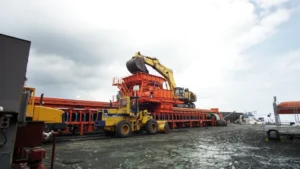
New forestry machines are evolving rapidly. Today’s skidders, loaders, and excavators are outfitted with smart tech like telematics, which monitor work habits, fuel consumption, and even alert you to environmentally sensitive areas of the forest. These tools assist owners and crews in identifying trouble before it becomes great, such as when a machine is compacting soil too often in the same location. Green in action: Hybrid engines and cleaner diesels are now on more machines, reducing fuel consumption and emissions. Feller bunchers, which cut and pile trees, assist by allowing skidders to pick up entire bundles, so fewer runs are necessary and less earth is disturbed. Knuckleboom loaders, with their bendy arms, can work in tight areas without crushing more earth. Excavators are essential for removing stumps and digging, preparing land for new trees. By allowing them to work in place and extend outward far, they reduce soil disturbance and simplify replanting.
Best practices count as much as machines. Choosing the appropriate size skidder for the terrain, operating only when soils are dry or frozen, and designing haul routes all contribute to reducing erosion and vegetation damage. Driving over mats or brush to protect soft earth provides the machinery a more secure route and holds soil down. Crew members are trained to watch for wildlife, rare plants, and stream edges so that less harm is caused when moving logs. Operators who know the lay of the land and watch weather and soil can make intelligent decisions about when and where to operate.
Looking forward, there are more trends toward less harm and more love for forests. Skidder manufacturers are integrating superior sensors, GPS, and even remote controls. This allows operators to map out their routes ahead of time, avoid soft spots or water, and cut more wood with fewer passes. Lighter machines with less ground pressure are on their way, and several designs utilize rubber tracks to distribute weight. All those electric and hybrid machines produce less noise and less air pollution, which means a safer environment for the local flora and fauna. With more forests managed for wood and wildlife, these shifts help make it easier to balance profit with stewardship.