Consignment is where people allow a third party, often a dealer or broker, to handle the sale of their machine. The seller retains legal ownership of the equipment until it sells. This reduces the risk upfront because the machine remains theirs if it doesn’t sell. Most opt for consignment when they want to expose their machinery to more buyers but don’t want the headache of selling themselves.
Consignment is ideal for anyone who doesn’t have the time, expertise or contacts to sell large machines by themselves. Rather than identifying buyers and determining prices and holding showings, the consignment partner does all that. For instance, a contractor with one used excavator can provide it to a dealer. The dealer markets the machine, fields buyer calls and demonstrates the equipment. The owner holds it for sale and then receives the proceeds, less the dealer’s commission.
One important aspect of consignment is the way it leverages the dealer’s network and marketing. Dealers have buyer lists, industry contacts, and online venues that most owners don’t. They can exhibit machines to the entire world, not just nearby buyers. If a seller attempted to sell a CNC lathe by itself, it might attract only a handful of local buyers. Via consignment, that very machine could find its way to buyers elsewhere or overseas specifically seeking that model.
It’s important to realize that consignment isn’t for everyone or every machine. Dealers frequently have demanding criteria prior to accepting a unit. Most only take machines in nice condition, at a reasonable price, that don’t compete with their own inventory. For instance, if a dealer sells primarily compact loaders, they might reject a big tractor consignment simply because it doesn’t fit their clientele.
Consignment fees are typically transparent. Most dealers charge roughly 10 percent of the final sale price, but that varies depending on the particular machine, market, and dealer policy. Some ask for more, some ask for less. If you’re lucky, the machine has a time limit for how long it can sit on consignment. For example, a dealer can establish a 120-day period. If it doesn’t, the owner has to take it back or accept a price reduction. This prevents inventory from going stale and allows both parties to manage expectations.
Financing can be tricky with consignment. Dealers can’t finance consigned units and that restricts the buyers. It is a crucial question for sellers to inquire about in advance of selecting consignment, as it may impact the final sale.
Dealers use consignment in various ways. Some use it frequently to build out their used inventory without having to purchase machines directly. Others consign infrequently, possibly for longtime customers or exceptional machines. Consignment can be a savvy move when customers believe their used machinery is more valuable than a dealer cares to pay for a trade-in. It allows the customer to test the market without committing to ownership immediately.
Consignment simplifies machine selling by allowing our experts to manage the marketing, sale, and payment. All stages are meticulously mapped to provide the owner and buyer with a transparent and equitable experience. Here’s the consignment process, step-by-step.
Consignment is another approach in which a dealer advertises and sells your machine to pre-screened buyers, typically for a flat fee. This approach can be useful for individuals who don’t want to manage the sale personally or lack the time to locate buyers. It’s a popular option for those seeking broader exposure and more convenience.
Consignment simplifies the arrangement for the owner. With direct sales, you do it all—listing, showing, and managing all negotiations with the buyers. This can be very time consuming and labor intensive, particularly if you are unfamiliar with the market. Consignment enables dealers to leverage their industry networks and marketing savvy, exposing your machine to the greatest number of potential buyers in the shortest time. This broader exposure may translate to both a faster sale and top dollar because your gear is seen by more potential purchasers. For those not willing to invest the time or mess with buyers, consignment is an easy alternative. Some dealers might not want your machine on consignment if it doesn’t fit their stock or isn’t pristine. They might restrict how much consignment they take, favoring equipment that fits what they currently sell.
Compared with auctions, consignment offers greater control over price and timing. At an auction, you can get a quick sale, but it’s usually for less and it’s out of your control. Bids may be above or below market value and you need to accept the winning bid. With consignment, the dealer tries to get your price, or close. You can test the market and pivot if necessary. If the machine doesn’t sell, you can try a different dealer or sell it yourself. This flexibility can assist you in receiving a reasonable cost, although it may be slower than an auction.
Consignment typically yields better prices than trade-ins or fast cash offers. When you trade or sell for cash, dealers typically pay less because they need to resell for a profit. With consignment, you’re shooting for market value, less the dealer’s commission, which is usually between 10% and 25%. A few dealers actually do consignment to avoid losing on a trade-in, with them selling your gear for a fixed and agreed amount. For both dealers and sellers, this can translate to a more favorable result if the piece is in good shape and meets the market.
Below is a summary of pros and cons for each selling method:
Method | Pros | Cons |
Consignment | Wider reach, less hassle, control price, market test | Fees (10–25%), may take time, dealer selects equipment |
Direct Sale | Full control, no fees, quick if buyer found | Time-consuming, limited reach, must handle all steps |
Auction | Fast sale, definite end date | Less control on price, may sell below value, auction fees |
Trade-in/Cash | Instant money, easy process | Lower price, dealer takes profit margin |
Consignment is a straightforward method for owners to unload their used machines with assistance from a dealer. Most dealers provide consignors with support, making the process less stressful and more equitable. Owners are frequently assigned their own account manager who guides them every step of the way. They answer questions, assist with filling out forms, and ensure the consignor is informed every step of the way. For instance, if a consignor has a pre-owned excavator, the account manager will invest time to educate themselves on its specifications. Then, they partner with the seller to select the optimal means of presenting the machine and emphasizing its strengths.
Professional tips are a huge component of the offering. Consignors receive straightforward, candid advice on pricing, staging their machine and what buyers desire in today’s market. Dealers see data on what sells, how fast, and which brands are popular. This helps establish a great price, not so much that it sits, and not so little that they lose. If the forklift market, for example, is slow, your account manager might recommend a lower price or better photos to spark interest. Dealers keep current on trends, such as which machine sizes or features are popular, and provide this information to consignors to enable them to make informed decisions.
Taking care of the logistics is another huge advantage. The dealer handles all calls, emails, buyer questions, and even demos the machine to serious buyers. Consignors don’t have to awkwardly interact with strangers, arrange meet-up times, or respond to never-ending queries and negotiations. All the talks, bargaining, and paperwork go through the dealer. This is time-saving and stress-limiting, particularly for sellers with demanding jobs or who live at a distance. A few dealers will hold the machine on their lot for a fixed period, usually as long as 120 days, so buyers can view it firsthand. If the machine doesn’t sell in the agreed window, say six months, terms allow the dealer to drop the price or ship the equipment back.
We provide regular updates and transparent reporting. The consignor receives updates on who viewed the listing, buyer comments, and whether there are offers. These updates keep sellers in the loop on where things stand and what might need to shift. For example, if after a month no buyers have expressed interest, the account manager might recommend new photos or a price drop. Dealers clarify their commission, which is typically 10 to 15 percent, so there are no surprises. Not all dealers take all machines, however, and they tend to accept items that suit market demand or their inventory. While some avoid consignment because of its funding or trade issues, others embrace it as a way to establish trust and demonstrate that they’re invested in making fair deals.
Consignment sales for industrial equipment require a straightforward strategy: how to expose inventory to the right buyers and generate good value. About: Getting each machine marketed to where it’s getting exposure and qualified buyers. That’s using a combination of marketing moves, communicating easy-to-understand information about the machine, and understanding which selling approach is appropriate for each situation.
A checklist keeps the marketing process on track and covers all the basics. Begin with powerful web listings that combine top-notch photography with plain-English descriptions. Include utilization history, such as how many hours the machine has operated or what work it processed. Specify if the machine is new, used, or refurbished; this gives buyers clarity on what they’re in for. Indicate whether the equipment is “under power” and ready to operate or is it languishing in a warehouse. They want to know the truth of the machine before they contact them. Be sure to list obvious contact information and answer every inquiry promptly. Share documents if you have them, like maintenance logs or manuals. Be straightforward with any additional actions, such as the machine requiring unique shipping or installation that might take more than a day or require more than one skilled person.
Its key is listing machines on high-traffic sites. Leverage international equipment marketplaces and sites that specialize in your type of machine, not just generic for sale boards. High traffic sites like MachineryTrader or Machinio expose you to buyers from other regions as well. If your equipment is oversized and requires multiple trucks to transport, describe this in the listing. Some buyers are positioning for behemoth assignments and specific information can save everyone hours.
Leverage buyer lists and networks to accelerate sales. Work with partners who have long buyer lists for used gear. Industry contacts, trade groups, and professional forums can put you in touch with buyers who already know what they want. These networks typically seek machines with a complete service history, transparent utilization history, and truthful condition reporting.
If you think about the most efficient way to sell, consider the equipment type and size. Consignment is ideal for equipment that’s difficult to transport or requires special handling. If you only have a unit or two, online listings and outreach are your go-to weapons. Auctions work better if you’ve got a larger lot to clear, and wholesaling to a dealer can mean a quick sale but a lower price, typically 10 to 70 percent of retail, depending on how quickly you want to get rid of stuff. Always consider shipping and install costs; these can influence the buyer’s interest and the ultimate deal.
Consignment offers sellers an opportunity to maximize their used machines without the trade-in compromise. Every piece of equipment is unique, as is every seller’s circumstance. That’s why adaptable solutions and customized approaches matter. Some want to sell their equipment, while others are looking for ways to extend the value of their assets. That’s where consignment truly shines. It creates more options, particularly when a trade-in isn’t the perfect solution or can’t be provided.
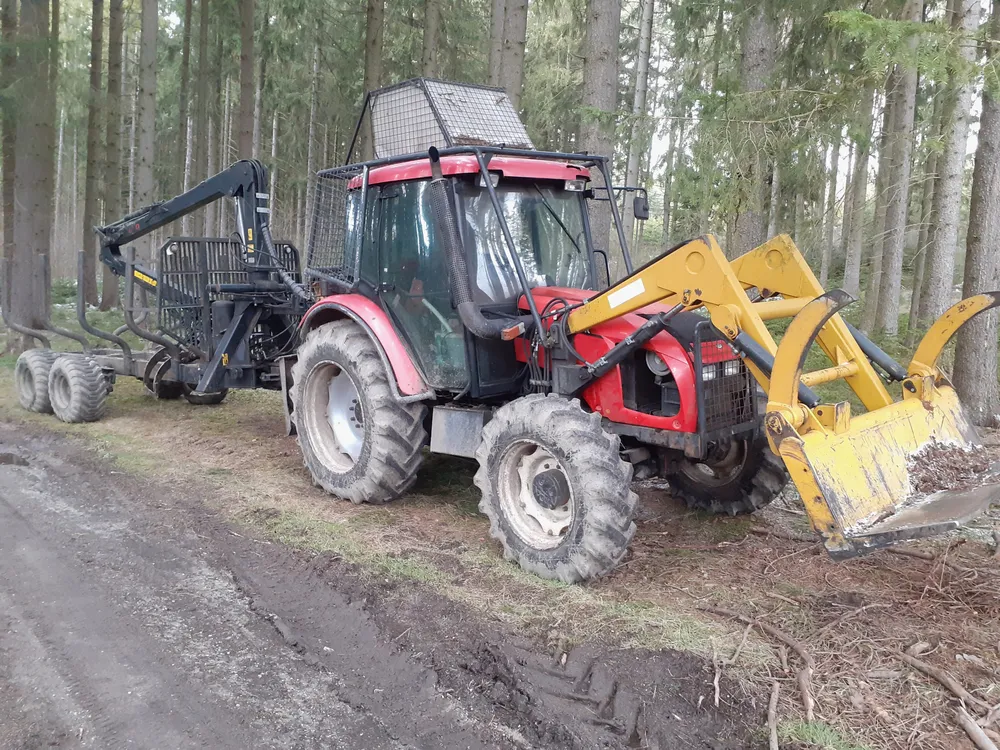
Not every machine and not every buyer. The selling approach to a piece of medical, construction, or industrial equipment varies based on what it is, its age, and condition. For instance, a late-model forklift in fantastic condition could be exhibited to purchasers looking for something good to go, whereas older equipment might be directed towards buyers in the market for parts or do-it-yourselfers willing to fix them up. Certain markets may seek out specific brands or models, so the marketing plan should emphasize what those groups care about most. Dealers may use various websites, trade publications, or even direct contact depending on who is most likely to purchase.
Sellers have their own requirements and timelines. Some need a quick sale, others want to wait for top dollar. Flexible contract terms can assist both parties. Defining an explicit time limit on the consignment, such as 30, 60, or 90 days, controls expectations for all parties involved. If the gear doesn’t move in that period, the seller can reconsider their choices. Custom terms may include how fees are managed or if the seller desires more input on pricing. This kind of flexibility helps create dealer trust and dealer goodwill.
Hard-to-buy machines are a moving target in the used market. Prices have to remain consistent with what purchasers are prepared to pay. Dealers and sellers can collaborate to monitor the level of interest that a listing is receiving, then promptly adjust if new information arises. For instance, if a machine basks with no bids, discounting its price or tossing in frills such as a short warranty may assist. If there is overwhelming demand, standing pat or even increasing the price may be rewarded. Dynamic pricing ensures that sales keep moving and you are not standing in line forever.
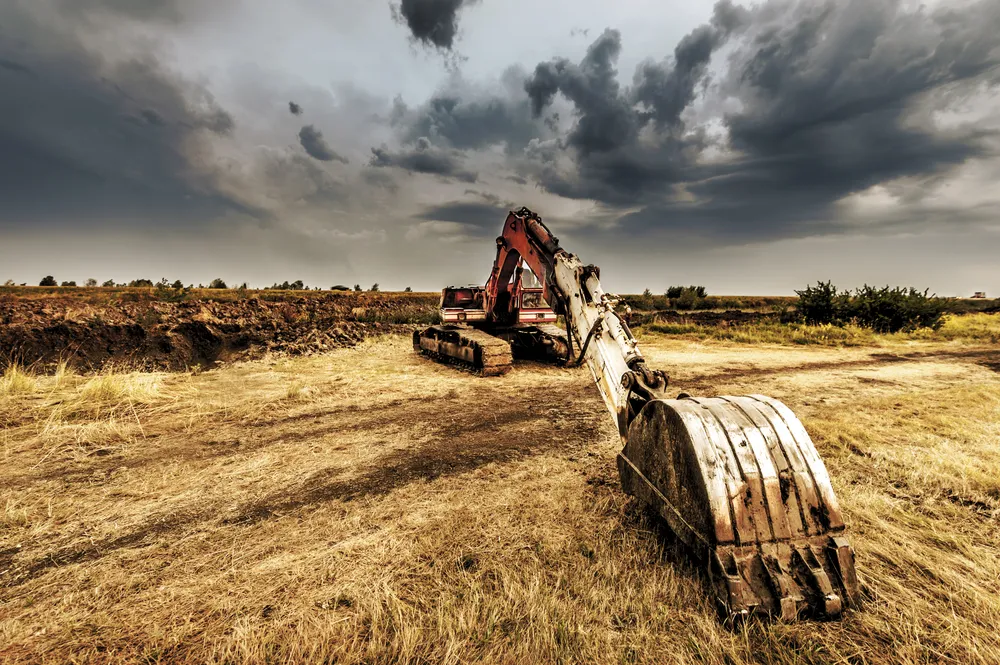
Certain devices require a personal approach to stand out. Valuable or unique gear might require specialized pictures, footage, or technical information that highlight what distinguishes it. Dealers may place special ads, send emails, or even arrange live demos for interested buyers. They go a long way to hitting the right audience and putting the gear in its best possible light. Custom campaigns can be a game changer, particularly for big or unique assets.
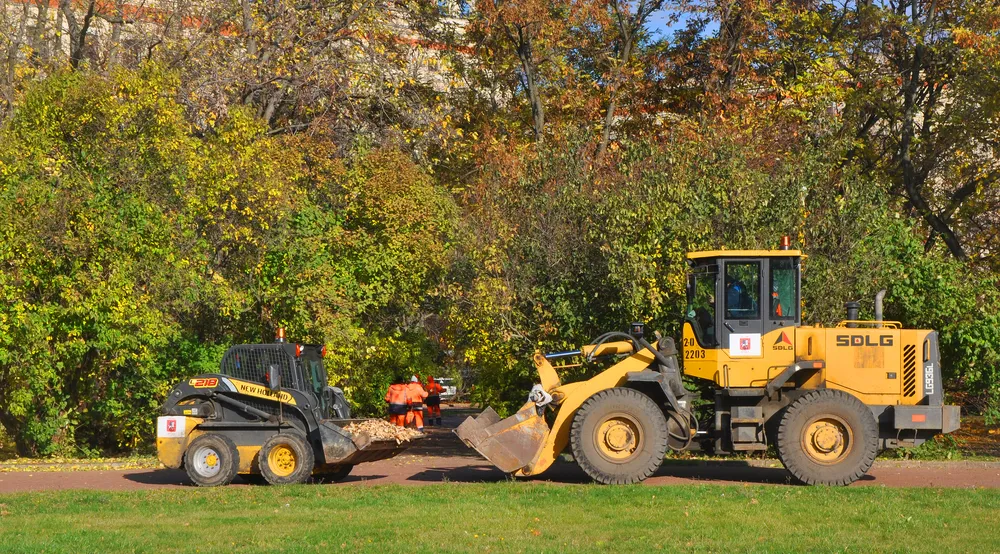
The risk is less with consignment. Sellers don’t shell out in advance to list their machines. If an auction is done and confirmed, then payments only go through afterward. This makes the transaction safer. We employ transparent contracts and hold funds in escrow until parties are content. For sellers looking to sidestep the inconvenience and uncertainty of auctions or wholesaling, consignment offers greater comfort. For instance, sellers who wholesale to dealers may receive as little as 10 to 70 percent of what the equipment actually deserves. With consignment, sellers retain the option for greater proceeds, particularly in a market that has experienced a price surge of over 50 percent in just a few months.
Consignment at its core provides a tangible solution for sellers to connect with more buyers and receive equitable value in today’s constrained supply market. Sellers maintain control of the sale as we handle the hard tasks of marketing, screening buyers, and closing, so the transaction remains transparent and hassle-free.
Consignment has allowed even more sellers to experience superior consignment results. For instance, a company in Germany had to relocate a massive CNC machine. By consignment listing, they attracted buyers not only from their own area but from throughout Europe and Asia. Within three weeks, they secured a buyer who was willing to pay 30% more than what they were offered by a local dealer. In another example, a Brazilian vendor consigned an intricate packaging scheme. The crew entered the listing with new images and monitored mechanical hours. The seller received a constant flow of updates and inspection requests and wrapped the sale in less than a month, which was faster than they anticipated and for more than they would have received at auction.
Full-service handling is a major attraction. From listing and photos to buyer vetting, shipping, and setting up inspections, this is critical for vendors with equipment that’s difficult to ship or requires specialized shipping. We walk our buyers through the setup, which is such a help for complicated machines. The process is simple: sellers get regular updates, buyers can check the equipment, and both sides know what’s happening at each step. It’s a time-saver and sanity-preserver.
Consignment expands buyers as well. Listings get in front of more people, near and far, so the chances for a strong sale price increase. In one example, a Canadian seller consigned a large press brake. They received offers from buyers in the US, Mexico, and Eastern Europe. With more eyeballs looking at the listing, the end selling price was far better than the local market could provide.
Key Benefit | Real-World Outcome |
No upfront costs | Sellers pay only after a successful sale |
Secure payment | Funds held until both sides confirm satisfaction |
Broad exposure | More buyers, higher chance of better sale price |
Full-service process | Listing, updates, inspections, and shipping covered |
Higher returns | Often beats auction and dealer wholesale pricing |
Control and flexibility | Sellers decide on sale terms and timing |