
Used forestry equipment warranty coverage is not a cookie cutter approach. What’s covered varies by seller, the age, and condition of the machine. Certain used units are still covered under the maker’s original warranty, while others are sold “as-is,” so the risk is on the buyer. Reading the warranty fine print prior to purchase is important because terms and coverage vary widely from transaction to transaction.
There are a couple general categories of warranties you’ll encounter with used forestry equipment. A powertrain warranty covers the essential moving parts, such as the engine, transmission, and axles. This kind is typical for used equipment since these parts are expensive to repair. Limited warranties are more restrictive and typically only cover specific parts. For instance, hydraulics or electrical elements might be excluded. Extended warranties or service contracts are available for additional coverage, either occasionally from the dealer or a third party. These typically extend the coverage for a certain amount of time or hours of use. For instance, a dealer may provide an extended warranty that insures repairs up to 2,000 hours or two years, whichever occurs first.
Warranty for used forestry equipment will outline coverage. Most plans cover parts and labor if a covered part fails as long as the issue occurs within the specified time or usage limit. There are typical exclusions. Wear parts—belts, hoses, tires, blades, filters, etc.—are seldom covered as these are designed to wear down during use. Maintenance items like oil changes, brake pads and filters aren’t covered either. Accidental harm, abuse, or improper routine maintenance can void the warranty. If an operator misses a service or uses the machine outside of recommended parameters, the warranty might not stand.
Fixed time limits are a huge component of used equipment warranties. Coverage might be up to 12 months or 1,500 hours, whichever comes first. Certain warranties may be transferable to a new owner should you decide to sell the equipment, yet it’s at the discretion of the original terms. Make sure to see if a transfer fee or registration step is required to keep the coverage going.
Typically, initiating a warranty claim involves reporting the issue to the seller or warranty provider, either by phone or online. You’ll likely need to provide the owner with proof of purchase, service records, and information about the fault. Most claims require the equipment to be brought to an authorized service center for inspection. If the breakdown is covered, repairs or parts replacements are coordinated at no additional expense beyond what’s outlined in the agreement. It’s advisable to keep all records current to expedite the process and prevent disagreement.
On the forestry equipment warranty side, it’s good to know the differences when purchasing new or used machines. New equipment warranties usually offer more comprehensive coverage, whereas used gear coverage is generally restricted. Understanding these distinctions is crucial for consumers to make informed choices regarding risk and expense.
Warranties on new forestry equipment typically cover all major components, such as the engine, hydraulics, electrical system, and frame. This way, if something big breaks, they cover the repair or replacement cost. With used equipment, coverage is typically more limited. A lot of used warranties are only on some parts, like the drivetrain or engine, and do not cover wear items or older parts that are likely to break. Some plans even enumerate things they will not cover, like seals, hoses, or electronics, which, when repairs are necessary, can really add up.
There’s an obvious difference in the duration of the coverage. New forestry equipment could be covered by warranties for three to five years, or up to a certain number of hours, such as 5,000 hours. Used equipment, on the other hand, typically receives far briefer durations—sometimes as little as six months to a year, or limited by a maximum number of hours. This briefer period implies that you could be on your own for repairs earlier than with new equipment.
The pros and cons for each kind of warranty are definitely worth considering. Both have their trade-offs that can impact your bottom line and peace of mind.
New Equipment Warranty | Used Equipment Warranty | |
Coverage Scope | Wide, covers most big parts | Limited, often parts-only |
Coverage Length | 3-5 years or 5,000+ hours | 6-12 months, fewer hours |
Cost | Higher, built into new price | Lower, often added on |
Flexibility | Less, standard terms | More, can be customized |
Resale Value | Higher with transferable | May not add much |
Warranty protection plans for used forestry equipment can go a long way toward helping operators mitigate risk, budget expenses, and maintain machines. For a forester, repair costs are expensive and typically unexpected. Warranties act as a safety net, absorbing these expenses. The terms such as length of coverage or what is covered can vary from plan to plan, so read the fine print.
One of the main advantages of warranty protection plans is that they reduce the risk of large, unexpected repair expenses. Used forestry equipment, from skidders to harvesters, frequently operates in rugged locations and sees plenty of abrasion. When a major component breaks, the cost to repair it can accumulate quickly. Warranty protection plans cover these large expenses, so owners do not have to pay for every repair out of pocket. This comes in handy during peak seasons, like harvest, when downtime equates to lost income. Rather than trying to estimate how much to save for repair expenses, owners can budget with the knowledge of what their coverage will cover. This ensures that it is simpler to schedule for the upcoming months.
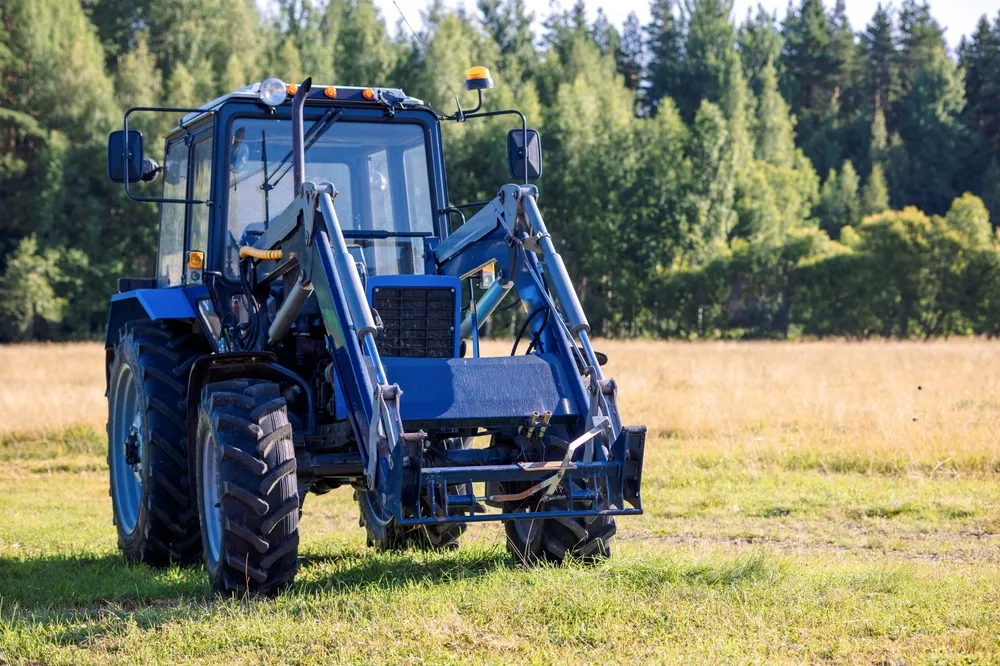
Another potent argument is how warranties can increase the resale value of the equipment, should the owner want to sell. Buyers like to see machines with active or transferable warranties, which means less risk for them. Sometimes, just having an extended warranty in place can increase the resale price by one to five percent. This can be a game changer, particularly with expensive equipment. For instance, a forwarder sold with a warranty plan is more attractive than one sold as-is because buyers know they are covered in case something breaks shortly after the transaction.
Warranty plans help provide peace of mind. Knowing key parts like engines, hydraulics, or transmissions are covered means owners can concentrate on work, not what’s going to break next. Some plans extend beyond repairs and encompass things like damage caused by inclement weather, theft, vandalism, or even rollovers and accidents. With this extensive protection, owners don’t have to sweat as much about the surprises that can occur in the field. This peace of mind benefits both small operators and big firms, as both are vulnerable to sudden, expensive breakdowns.
Keeping machines out in the field and working is another core reason to get a warranty plan. Downtime is a big deal in forestry, where timing is everything and weather windows can be slim. When a breakdown occurs, waiting for parts or a repair can equate to an entire harvest lost. Warranty protection plans typically include support for fast fixes or component replacements, so you can spend less time waiting around and more time crafting. For fleet owners, having warranty protection plans can help keep more machines working, which translates to better productivity and more consistent revenue.
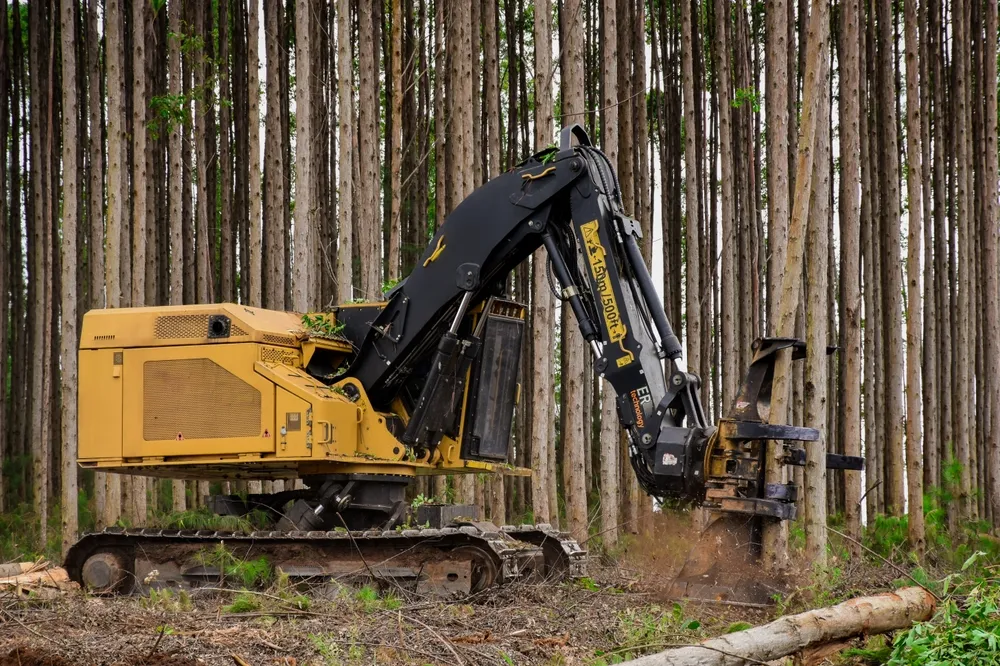
Selecting a used forestry equipment warranty is about more than just price and coverage duration. It’s about making sure the provider is trustworthy and the plan is a good fit for how you work. With major purchases like these, dotting the i’s and crossing the t’s can translate into smoother projects and reduced headaches down the line.
Begin with the supplier’s reputation. Look for customer reviews on international platforms along with industry ratings. True buyer experiences will reveal if the provider walks the talk and whether claim resolution is equitable. See if there’s a trend. If a lot of people talk about slow responses or denied claims, that’s a warning sign. Industry ratings such as those provided by trade groups or equipment manufacturers can provide another stratum of confidence. These ratings look at how providers do over time, so they help you identify the ones that are consistent.
Claim approval rates and turnaround times are important. Question every provider on how many claims they approve and how long it takes from filing to actual repair. Fast claim approval keeps your machines working, which is key in forestry where downtime can cost thousands. Some providers publish these numbers on their websites. Others will provide them if you inquire. When considering providers and reliability, select ones that have high approval ratings and fast response, so you’re not left waiting for repairs.
Verify your service center network. A good warranty is only as good as the assistance you receive when something goes wrong. See if the provider has service centers close to your work sites. This is especially true for those in remote or rural areas, where choices may be sparse. Some warranties restrict you to certain shops, so ensure those shops are familiar with forestry equipment and stock the necessary parts.
When comparing providers, use a checklist to keep things clear:
A checklist gives you a way to organize the information and identify missing points. For example, a provider may offer good pricing but have strict enforcement that makes claims difficult. They could have broad coverage but partner with a limited number of garages.
Beyond warranties, consider the vendor’s selection and their assistance in finding the appropriate machinery. Online search filters allow you to filter by year, model, or price, which saves time and lets you know if the provider has what you’re looking for. Think service first when you buy equipment. This will help you catch problems before they arise and save you money in the long run. Some vendors provide financing, which is useful should you require an amortized payment. See if your provider has history in the forest business. Experience translates to superior support and fewer surprises.
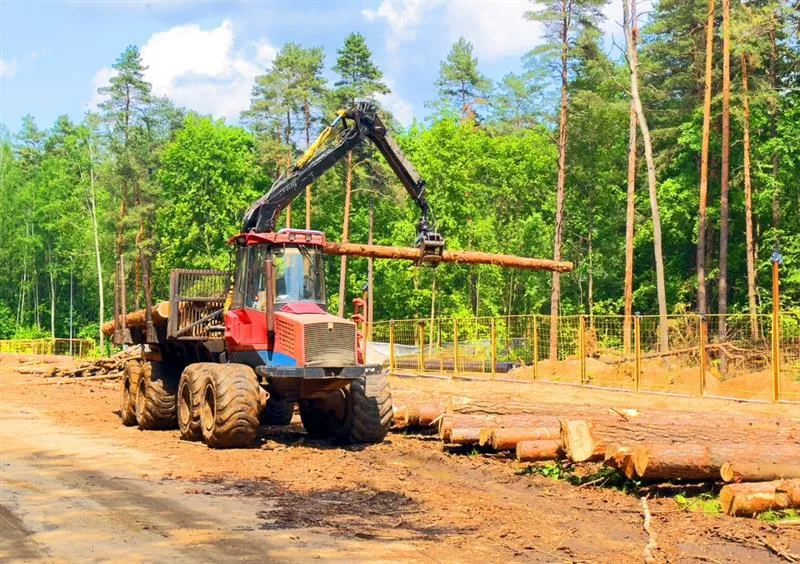
Choosing the best warranty for used forestry equipment is about matching coverage to how you use your machine, how old it is, and the work it does each day. Logging equipment gets banged around a lot. Mud, dust, and rough terrain all put stress on parts, so your warranty should reflect your real work needs. Heavy-duty machines, such as those used in logging or land clearing, might require higher maximums, such as 5,000 hours or more, whereas less-intense, seasonal work might only demand 3,000 hours. Certain warranties restrict coverage to machines with under 3,000 operating hours, so make sure you verify your equipment’s age and meter reading before anything else.
You should consider what parts and systems are covered. Want the important stuff, like the engine, transmission, hydraulic system, and electronics. All warranties aren’t created equal. Others do not cover use in hard jobs, such as at recycling or hazardous sites. These exclusions can be important if your work includes additional danger or specialized duties. It’s good to review the policy specifics and fine points. Review which repairs are covered, what maintenance is necessary, and what is excluded. Be aware of the deductible, as well. A default choice is a $1,000 deductible for most equipment, although logging gear might require higher or separate terms.
Consider add-ons for additional coverage. Physical damage insurance is the most sensible. It covers complete or partial loss from fire, flood, or accident. It can have perks like rental replacement gear if your rig is down for the count and shipping charges to return your rig to work. Because as much as a billion dollars of construction equipment is stolen every year, theft coverage is another add-on that might be worth considering. Certain plans include roadside assistance or rental reimbursement. These can help you keep working when things go awry.
Budget is a huge variable in any decision. Select coverage that fits your budget and consider what you plan to do in the future. If you’re keeping the gear for a decade, a longer warranty, perhaps 60 months, can provide peace of mind. If you’re using it for a short amount of time or flipping it, then a shorter plan, such as 24 months, might work better. Keep in mind that the limit of liability is frequently determined by the machine’s retail sale price. It’s typically a flat rate, so be aware of the amount it would pay out if you have a claim. Just make sure you’re comparing the price of the warranty to the value of your equipment and cost of repairs.
It is vital to review exclusions and limitations. Some plans don’t cover damage in certain types of work, such as forestry or hazardous waste. Then, match the warranty to your real-world application. Knowing exactly what is covered and what isn’t will save you from surprises down the road.
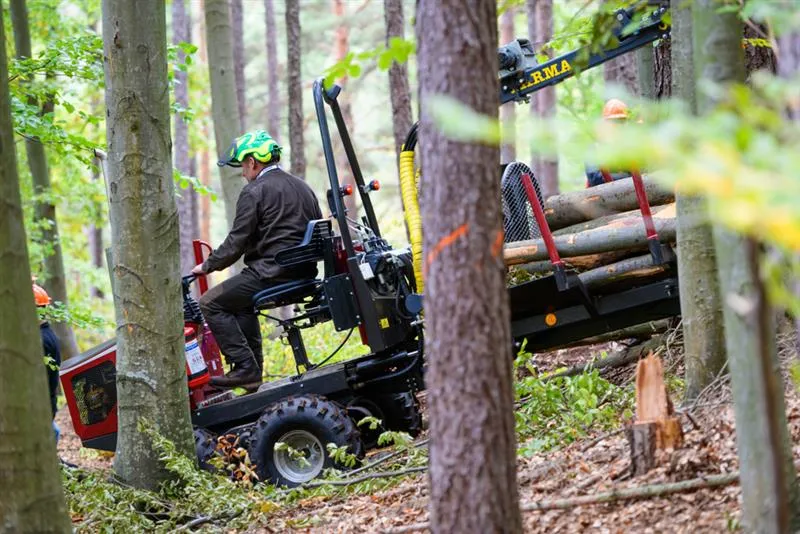
Warranty coverage for used forestry equipment isn’t just protection while you own it. It’s about resale value and flexibility throughout the machine’s life. We really like transferable warranties because they allow the warranty to transfer over to the new owner if the equipment is sold before coverage expires. This aspect can increase the resale value and attract more buyers as it indicates the machine is supported by a plan that helps manage potential repair expenses. To many purchasers, a transferable warranty is a badge of good care and reduces their risk. This enables sellers to close deals more quickly and frequently at higher prices.
Changing the warranty owner is usually easy, but refilling the process has steps and sometimes fees. The seller has to inform the warranty provider, provide the new owner’s information, and occasionally file a proof of sale. Generally, the provider will require a transfer form and a copy of the sales agreement. Fees for this vary; some charge a simple administration fee of around $50, while others might include the transfer at no cost as part of their coverage. Some plans, for example, permit transfers just once while coverage is in effect, so purchasers and sellers need to verify prior to sale.
There are several common restrictions and limits on transferring coverage:
Portability and flexibility of coverage are central advantages for purchasers of used forestry machinery. A lot of warranty providers allow you to customize the plan to suit your preferences. For instance, the coverage term and coverage limits can be customized depending on how much the machine will be used and its condition. Others allow buyers to select the coverage, like covering hydraulic, powertrain, or electrical. This allows owners to cover just what they need, which helps them budget for future repairs with greater ease.
Financing options provide even more flexibility. Others allow purchasers to fold the price of the warranty plan into a finance agreement when purchasing an eligible device. If a warranty is added afterwards, with the right paperwork filed, it can still be included in an existing finance deal. This allows purchasers to amortize expenses and better budget cash flow for either an individual acquisition or for a fleet of equipment. Maintenance costs can be paid up front, too, enabling easier control of fixed costs.
It’s important to note that certain plans have restrictions on when coverage may be bought, like within 30 days of the sale or during the first year of ownership. Other providers give the buyer the option to buy the coverage whenever, providing more options and reassurance. Most pre-owned equipment plans need a full inspection prior to providing coverage to verify the machine is up to standard.
Proper service records are an important factor in obtaining and maintaining warranty coverage for used forestry equipment. Programs want to see a definitive record of the equipment receiving the maintenance it requires. Without it, coverage can be cut back or not offered. Insurers or warranty providers want to know that the machinery was not only used but cared for according to schedules. That’s regardless of the make or where the equipment is operated.
Service technicians might request evidence of specific maintenance performed at specific intervals or beyond a specific hour threshold. It’s not just oil changes, but maintenance records and eligibility. Leave a record or maintenance check behind and you may risk a claim denied if a part lets go. Maintenance sheets and certifications enable the dealer to view the actual condition and servicing of the unit. The more exhaustively maintained and up-to-date the records, the better the likelihood of maintaining coverage. Several programs require maintenance records to be updated or submitted at specified intervals, such as every six months.
Eligibility isn’t just about maintenance. They are strongly influenced by the age of the equipment. Most plans set an age limit, for example, not covering equipment 15 years of age or older. Others might still provide coverage for older or high-hour machines, but with restrictions such as increased deductibles or a reduced number of covered components. Type and model factor in. Some programs may exclude certain forestry machines such as smaller tractors or specialty tools. Horsepower and hours logged are key. Equipment with high hours might be subject to additional inspections or receive partial coverage.
Technicians regularly check the usage of the machine. Heavy, continuous use or prior claims for major repairs may trigger concerns. The immediate state, verified by an inspection and supported by records, impacts the offer. Lost or ambiguous maintenance records or holes in service history can result in reduced coverage or a complete denial. To maintain eligibility, records need to remain current and available for inspection at any time. This is the case everywhere, regardless of currency or metric system.