
Inspection reports document the condition of a property, vehicle, or other asset at a given point in time. They are the primary evidence of what was inspected, what was identified, and what requires action. These reports are crucial to buyers, sellers, and owners as they indicate the status of an asset at a point in time and establish a baseline for future change. An inspection report, for example, provides a homebuyer with a transparent view of the home’s systems, structure, and safety. In other industries, like equipment leasing or car sales, inspection reports serve a similar function by revealing both apparent and latent defects.
There’s a distinction between inspection findings and condition notes. General findings provide a summary, typically detailing what was inspected and whether any defects were identified. These may be general observations, such as “roof inspected, no leaks noted.” Condition notes, however, provide more detail. They highlight specific issues, explain their urgency, and occasionally recommend next steps. For instance, a general finding might read “plumbing checked,” whereas a condition note might read “slow leak found under kitchen sink, pipe needs replacement.” The condition note provides a more actionable, immediate caution that assists owners in taking quick action.
Precise, thorough condition notes matter for a couple of reasons. They assist in documenting what was discovered in such a way that they can trace changes over time for future owners or users. This comes in handy if an issue deteriorates or there is an argument over repair responsibility. Good condition notes insure that nothing is overlooked. For instance, if a home inspector notes, “cracks in living room wall, monitor for movement,” subsequent inspections can verify whether the crack expanded or remained stable. Facts like these keep us all honest and ensure that repairs occur when necessary.
Inspection reports speak their own language, which is filled with industry-specific jargon and acronyms that can baffle outsiders. Some terms that you will see on the report are (NI) for ‘Not Inspected’, indicating the inspector was not able to check that part, and (NP) for ‘Not Present’, meaning a feature was absent or inaccessible. Another term, (AE), means “Additional Evaluation Recommended.” The inspector identified this as an area requiring further investigation, potentially by a specialist. For instance, if a roof shows evidence of water damage, the inspector may note “AE—roofing contractor to review.” Since these words can be confusing, it is wise to be there for the inspection. That way you can have the inspector explain the terminology and give you more information on any problems they identified.
Inspection reports promote transparency and assist individuals in making informed decisions. By revealing the actual condition of a property, they assist purchasers in determining whether to proceed or request repairs. For sellers, a thorough report can demonstrate excellent upkeep and prevent unexpected issues down the road. For all parties, these reports assist in demonstrating what was understood at the time of sale or transfer. That history is crucial if safety improvements or fixes arise down the road. Home inspectors are generally willing to respond to questions on the day of the inspection, but not afterwards, so it’s a good idea to use that time to get all your questions clarified. If you’re a first-time buyer, the amount of detail can be a lot, but a careful read of the report is the best way to gauge what’s a red-light urgent or in need of a pro’s help.
Asset evaluation is based on explicit criteria so that inspections are impartial and the outcome resonates with all. Age, use, wear, and rule-following are among the factors considered. These zones assist in determining whether the asset is in good condition, requires maintenance, or must be replaced in the near future. For instance, wear is straightforward to identify in mechanical equipment or automobiles, such as rust, dents, or leaks. For real estate, it might be cracks in walls, water stains, or worn floors. Asset age plays a role; older machinery could require more maintenance or be pricier to repair, whereas newer assets may encounter less risk.
Matching the evaluation criteria to the type of asset and the industry standards is crucial. What’s useful for a factory machine might not be useful for a school building or fleet of trucks. In heavy industry, safety protocols and adherence to standards like ASTM E2018-24 are front and center, instructing inspectors on what to inspect and how to score it. In the public realm, the emphasis can turn towards accessibility, energy consumption, and lasting maintenance. Every industry has its own rules and best practices, so the checklist varies based on where the asset is deployed.
Consistency is a necessity, so that each inspection means the same thing regardless of who performs it or where. One common way to keep things uniform is to use a rating scale, for example, from 1 to 5, or a color-based method like the traffic light system, green for good, yellow for needs attention, and red for poor condition. Each major system or portion of the asset receives a rating. If a heating system is still running fine, it could be green or a 5. If it leaks, it can slip down as low as yellow or a 3, so we have to be careful. I find this makes the report easier for people to skim and understand where the largest needs are.
A thoughtfully constructed checklist keeps everyone on point. A standard checklist for asset evaluation covers these areas: asset ID and location, age and service history, signs of wear or damage, safety and compliance checks, estimated costs for repairs or upgrades, and a condition rating for each part. For each system or component, the inspector records if repairs are required immediately, in the short term, or in the long term and provides cost estimates for each. For instance, a roof may require patching now, which is immediate, new gutters in three years, which is short term, and replacement in ten years, which is long term. This goes a long way toward capital spending planning and minimizing surprises.
Automation is transforming asset inspection. IoT sensors, AI cameras, and analytics tools identify wear, monitor usage, and provide real-time information. They improve reporting precision and can detect issues earlier, reducing time spent on site visits and assisting with long-term asset plans. A detailed inspection still requires human interaction, frequently involving full-day or multi-day site visits to examine every accessible area.
Condition notes are the heart of inspection reports. Each industry has its interpretation of condition notes in terms of wear, risk and repair. The wording of these notes and even how deep the details go tend to be governed by industry-specific standards. For instance, real estate inspections may adhere to ASTM E2018 and manufacturing checks under ISO or related standards. Understanding these guidelines is the initial stride toward deciphering what an inspection report truly conveys.
In commercial real estate, condition notes are often a weapon for buyers and sellers. For example, a condition report may read, “HVAC unit past useful life” or “minor roof leak observed.” These notes let buyers determine if, in their opinion, they would like to request repairs or negotiate for a price reduction. At times, the notes are succinct, a line or two. At other times, they extend over pages, enumerating every system in the building. These reports range in price from $1,500 to $15,000 depending on the complexity of the property and thoroughness of the inspection.
Manufacturing applies condition notes differently. Here, reports could be graded like “A—Excellent,” “B—Good,” or “C—Needs Repair.” It is about reading the fine print of condition notes in various industries such as tooling, safety, machine maintenance, and more. A ‘critical’ note here might indicate that production has to halt until a repair is done. Some companies track these notes over time using computerized maintenance management systems (CMMS), so it becomes easier to see what’s been fixed and what still needs work. Interpreting these notes requires expertise from engineers or experienced technicians who understand what each grade or terminology actually indicates.
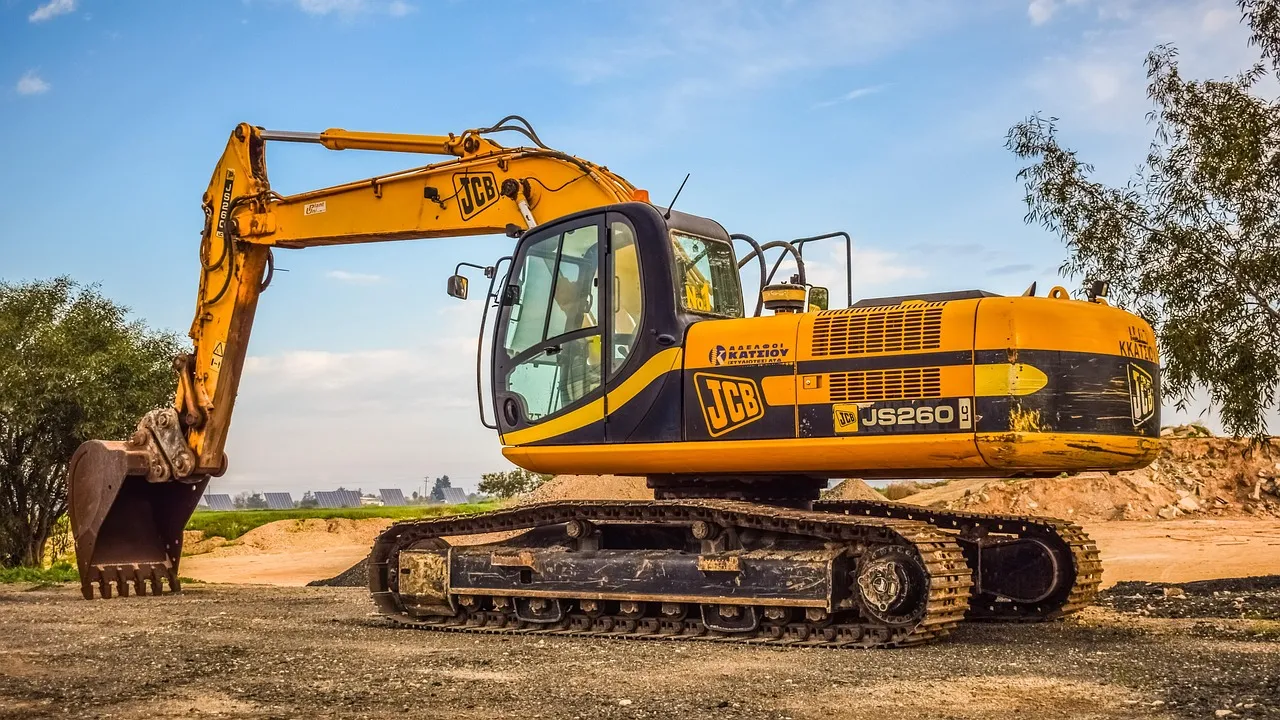
Other industries where condition notes are crucial for safety, such as transportation, airlines or trucking, for example. Words such as ‘airworthy’, ‘serviceable’ or ‘out of service’ are very straightforward. Planes might receive a ‘deferred maintenance’ annotation, indicating that the matter is not critical but must be monitored. Safety, cost and urgency all play into how notes are interpreted and addressed. Here, rules from bodies such as the IATA or local safety authorities dictate the rigidity of the notes.
Different industry terms and grading systems can shift the same phrase. ‘Fair condition’ in real estate, for example, could refer to the fact that the building is functional but dated. In manufacturing, ‘fair’ might mean a machine is still operational but nearing the end of its life. The context along with the industry standards supporting the report is as important as the language itself.
Condition notes are only as useful as the expertise behind them. Interpreting these notes often needs a team approach, bringing in engineers, architects, or other pros to look at safety, cost, and urgency. Metrics like the Facility Condition Index (FCI) or Remaining Useful Life help set repair priorities and shape long-term plans. The level of detail in condition notes can support tracking repairs over time, helping owners plan and budget for upkeep.

Inspection reports assist in locating issues within a property and provide a transparent perspective on what requires immediate or future attention. They employ notes to indicate the condition of various components, and these notes can highlight potential hazards. Understanding what these signs indicate allows buyers and homeowners to sidestep large expenses and make intelligent decisions about repairs.
There are common problems that appear in most reports and some of them are naggingly fatal. Roofs take a beating from sun, rain, snow, and hail so they tend to leak or wear down. Mold is another common issue. If you get it outside of wet areas of your home like a bathroom or kitchen, say, on living room walls, it could indicate that you have a busted pipe or water leak. That can get expensive to repair if neglected. Plumbing comes up a lot. Older homes, particularly those constructed before the 1950s, might have galvanized pipes. These can rust inside and cause poor water flow or leaks. Foundation issues are a big deal. If you notice horizontal cracks in the basement or any wider than 6 millimeters, it could indicate foundation repair is necessary. That sort of repair is costly and not something to overlook.
Observing these warning signs ahead of time can spare you plenty of expense and strain down the road. A musty smell usually indicates hidden mold. Even if you can’t see the mold, smelling it ought to encourage you to look a little closer. Safety concerns pop out as well. If the report utilizes symbols such as “S” for safety issue, that’s your cue to move swiftly. Unseen leaks, awful electrical, and broken heating systems are all red flags. If any part of the inspection is marked as “NI” (not inspected), then you have to ask why, as skipping parts of a home can leave huge problems under the radar.
Here’s a list of frequent problems and red flags found in inspection reports:
When reading an inspection report, begin with issues impacting health or safety. Structural damage, mold or safety issues always trump surface solutions. Small fixes, like replacing a faucet, are inexpensive. Bigger jobs, like replacing a roof or fixing a foundation, are much more expensive and time consuming. Understanding the codes and notes in the report allows you to balance what to address immediately and what can be deferred. That way, you’re making decisions on risk and your budget, not on hunches.
Inspection reports with concise condition comments are important for maintenance and planning. They indicate what requires immediate attention, what can be delayed, and what needs to be monitored over time. With this reporting in place, teams can schedule preventive work and repairs rather than just fixing things when it’s broken. For example, when a report indicates early signs of roof leaks, teams can schedule repairs before the next rainy season rolls around, frequently saving money and maintaining the property in better condition.
Condition notes assist in identifying the key problems for each property. Owners can allocate funds for the major repairs initially, not just speculate what might come. Reports typically provide cost estimates for repairs and upgrades categorized as immediate, short-term, and long-term requirements. With these figures, owners can construct a savvy capital plan that is based in reality, not instinct. For instance, a report of emergency elevator repairs, medium-term HVAC replacements, and long-term window replacements might allow owners to distribute spending over the next few years.
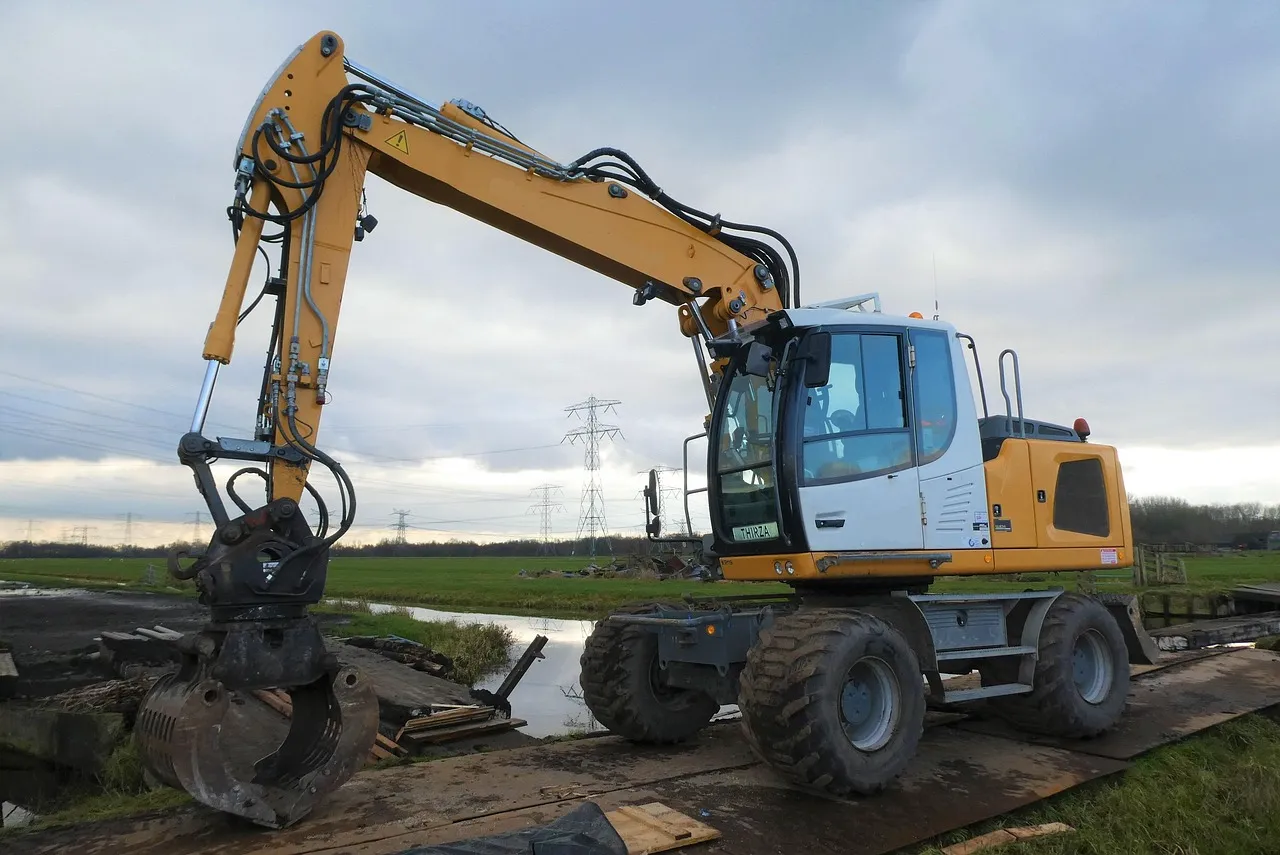
Just as important is keeping track of trends over time. Reports can highlight trends, such as frequent water damage in the same location or a consistent decline in three-year roof performance. This assists teams in understanding when assets will begin to deteriorate and schedule repairs before the damage extends. Some owners use computerized maintenance management systems (CMMS) to record this data, schedule recurring checks, and monitor if fixes occur. This is useful for large portfolios, where tracking multiple assets simultaneously can get overwhelming quickly.
Reports are a big part of long-term asset plans. They assist in prioritizing work on the basis of real need, not just what’s loudest. Using metrics such as FCI or Remaining Useful Life, owners can compare one building to another or see which systems need assistance first. For instance, a high FCI might indicate a building is in worse shape than others, so it jumps to the top of the repair or upgrade list.
Well-designed report templates allow inspectors to record local quirks but still conform to common criteria. This facilitates easier comparison of reports across time and individuals. Over time, this regularity allows teams to identify patterns, such as the same cracked tiles appearing every visit, or observe which fixes return again and again. Standardized reporting proves convenient when lenders or insurers request evidence of property condition during refinancing or renewal, or prior to initiating large-scale initiatives such as renovations.
Regular checks and intelligent reporting update life-cycle plans and help catch slow wear and tear before it develops. That saves money and keeps properties operational longer.

Inspection reports rely on lucid condition notes. The right words make all the difference in reporting what an asset or property really looks like. Plain wording minimizes misunderstanding and maintains a simple point. Brief, simple descriptions such as “paint chipped,” “water stain on ceiling,” or “rust on hinge” don’t offer much opportunity for confusion. This matters to readers of all backgrounds and abilities. When your teams use terms that are unambiguous, it saves time. For instance, if an inspector notes “minor dent, 5 cm on lower left panel,” it’s far simpler for a reader to understand the magnitude and location of an issue. It makes follow-up work quicker and more focused.
Another important strategy is to follow the same format for each report. If every inspection vendor and every report type uses a single style, everyone can scan and compare results more quickly. It is easier to identify trends or anomalies when the presentation and organization of data remain consistent. This applies to all industries – properties, equipment inspections, or occupational safety. For instance, real estate agents in rapid markets require rapid feedback. One clean report can reduce review time from fifteen minutes to under two. This massive reduction in time in reporting translates into more time in decision making and less time in fact finding. Consistency assists those who oversee multiple reports at a time, such as property managers or facility heads, as they know where to find each piece of information.
Just as important as your notes are your summaries. A brief summary at the beginning saves you hours of reading. It enables managers, buyers, or stakeholders to view the big picture quickly. For instance, a one-paragraph summary can emphasize emergency repairs, safety hazards, or expensive problems. This accelerates the entire decision process and reduces the possibility of bottlenecks. Pulling out key points and numbers from the report and putting them in a CRM field or note makes tracking and follow-up much easier. It makes data more useful since it can be sorted, searched, or shared immediately. Discussing tips with peers or picking up pointers from other writers in the industry can aid report writing. Real stories and input demonstrate what works in practice, not just what ought to work on paper.
Condition notes are more than just a record of an inspection. They are the backbone of compliance efforts and smart business choices. When inspection teams use clear, detailed notes, they build a record that meets the needs of regulators, insurers, and business planners alike. In many industries, including property, manufacturing, and healthcare, these notes show that safety checks and required standards are met. For example, if a local safety agency reviews a facility, full notes help prove that hazards were flagged and fixed, which helps avoid fines or shutdowns. Incomplete notes, on the other hand, can lead to missed problems, regulatory penalties, or even accidents. This is why it is important to write down all findings in plain, thorough terms and keep those records ready for audits or reviews.
Insurance claims and warranty requests are conditional on the strength of these condition notes. If equipment fails and you need to file a claim, condition notes can demonstrate the item’s former condition, any steps taken to maintain it, and issues that arose prior to the failure. This can expedite claims and prevent disagreements with insurers or manufacturers. For example, if a machine was showing wear in previous reports, those notes can support a warranty claim. In real estate, condition notes from property inspections provide evidence of the building’s condition, which is crucial for both buyers and sellers in due diligence. In each of these scenarios, detailed, timestamped notes serve as a tool to eliminate ambiguity and advocate for an equitable process.
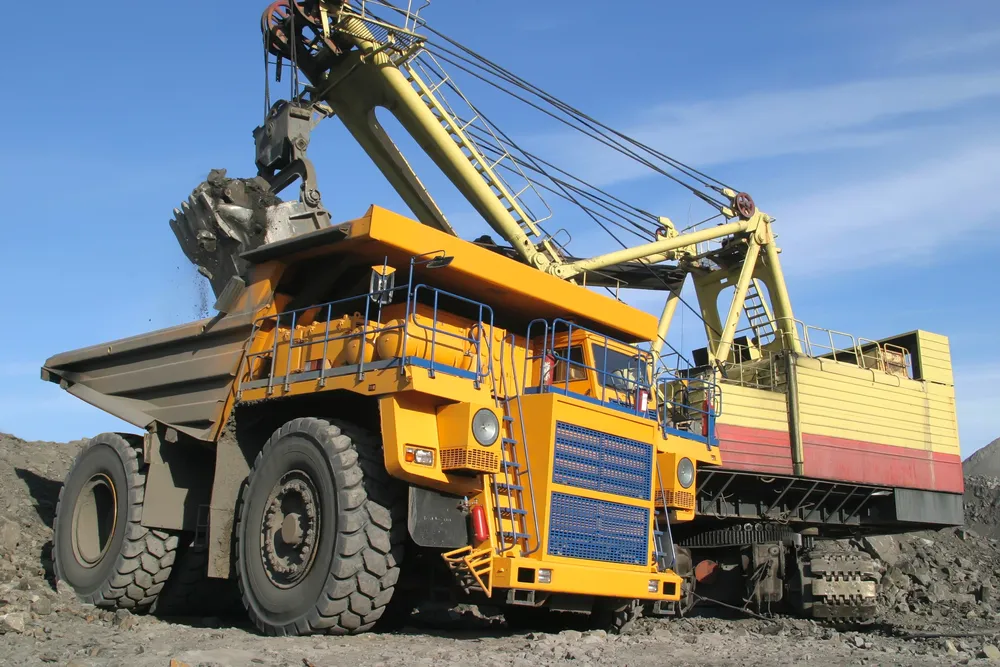
Condition notes are more than just a record of an inspection. They are the backbone of compliance efforts and smart business choices. When inspection teams use clear, detailed notes, they build a record that meets the needs of regulators, insurers, and business planners alike. In many industries, including property, manufacturing, and healthcare, these notes show that safety checks and required standards are met. For example, if a local safety agency reviews a facility, full notes help prove that hazards were flagged and fixed, which helps avoid fines or shutdowns. Incomplete notes, on the other hand, can lead to missed problems, regulatory penalties, or even accidents. This is why it is important to write down all findings in plain, thorough terms and keep those records ready for audits or reviews.
Insurance claims and warranty requests are conditional on the strength of these condition notes. If equipment fails and you need to file a claim, condition notes can demonstrate the item’s former condition, any steps taken to maintain it, and issues that arose prior to the failure. This can expedite claims and prevent disagreements with insurers or manufacturers. For example, if a machine was showing wear in previous reports, those notes can support a warranty claim. In real estate, condition notes from property inspections provide evidence of the building’s condition, which is crucial for both buyers and sellers in due diligence. In each of these scenarios, detailed, timestamped notes serve as a tool to eliminate ambiguity and advocate for an equitable process.