
Skidders are the heart of contemporary logging, being among the most essential machines used to transport logs from the woods to road edges. Their primary function is to skid felled trees from the stump to a landing, where logs are sorted, loaded, or otherwise processed. They reduce labor costs and accelerate work. Skidders are a staple of efficient forestry operations globally.
Skidders serve several primary functions in forestry:
After trees are cut, skidders move them quickly and safely to staging areas. This phase is crucial for maintaining a consistent flow of logs to mills or trucks.
Skidders organize logs at landing sites, placing them in neat piles. This keeps subsequent processing easy and minimizes downtime for other equipment.
Skidders can pull brush, tops, and other debris from the work site, keeping paths open and work areas safe for crews.
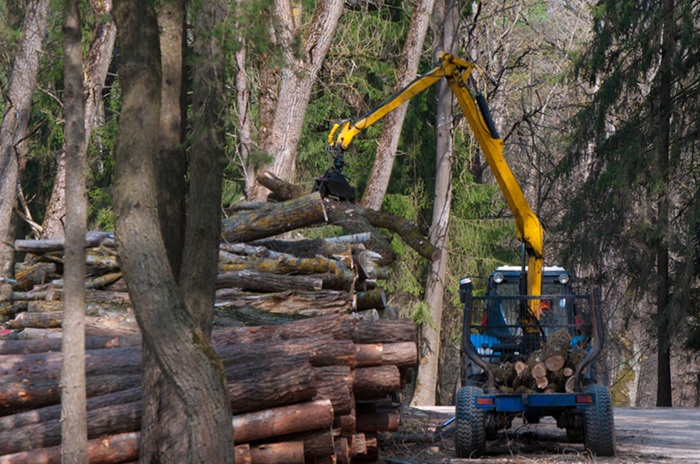
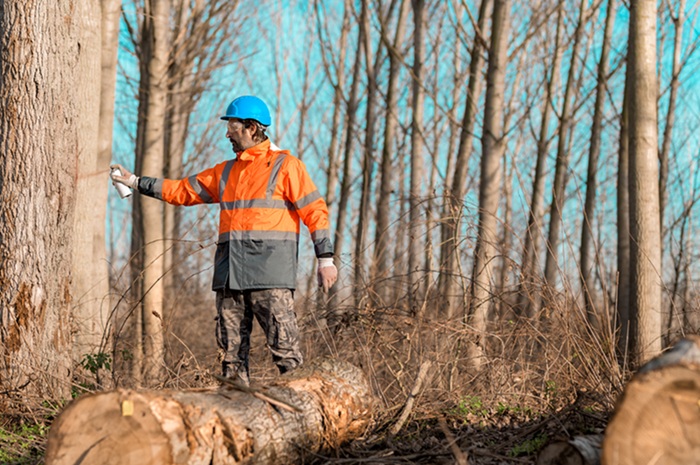
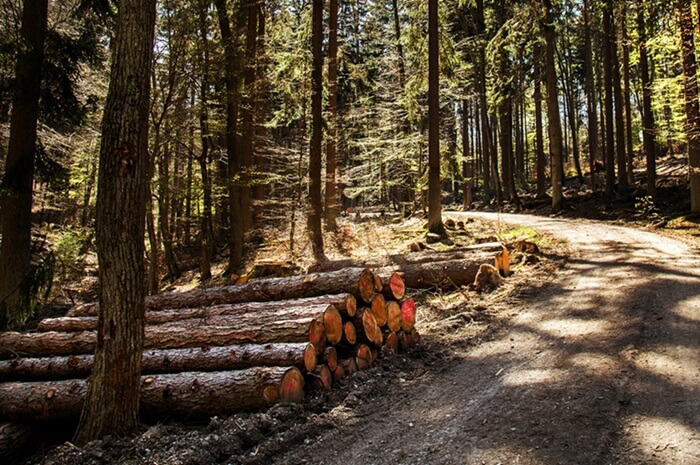
Hauling logs from stump to landing is hard work. Skidders make this work far faster and safer than manual methods. They can drag hefty logs across rugged terrain, up inclines, and through dense forest. With skidders, crews reduce their time in the woods, minimize trips, and reduce wear and tear on other equipment. For instance, a grapple skidder can fold its forks, grab several logs, carry them hundreds of meters, and drop them in one fell swoop.
There are two main types of skidders used in forests: cable skidders and grapple skidders. Cable skidders employ a steel cable and winch to drag logs. They require two crew members, one to operate the machine and one to manage the cables at the log landing. This can decelerate work and contribute to labor overhead. Grapple skidders utilize a giant hydraulic arm with a claw. With one operator, you can drive the machine and grab, lift, and move logs without ever stepping out, making this option safer and more efficient. Cable skidders may provide more control for work in confined areas or steep slopes, whereas grapple skidders excel in open terrain with ample timber to haul.
Skidders do have physical limits, which depend on terrain. These beasts, which tip the scales at around 19,000–20,000 kg, work best on gentler slopes. Steep grades or loose soil can create safety hazards and increase the potential for erosion or soil damage. Operators have to evaluate soil type, ground cover and the distance they have to drag logs to select the appropriate skidder for a given job. The design of some skidders assists with these tasks, with wide glass fronts and sloped hoods providing operators with an unobstructed view forward, which is vital for safe blade operation and fine-scale work.
Skidders assist in minimizing logging’s footprint on the terrain. By transporting logs in fewer trips and with less ground contact, they reduce soil compaction and keep rutting and erosion minimal. This conscientious strategy aids in conserving forest soils and streams to satisfy the increasing demand for sustainable forestry across the globe.
There are two main types of skidders found for sale: cable skidders and grapple skidders. They all have their own fortes and were created to operate on various kinds of terrain. The pairing of skidder type with the land it works on is essential. Soil type, slope, tree size, and distance logs must be moved all factor into which skidder to select. Here’s a concise guide of types, their primary advantages, and what terrain best suits them.
Wheeled and tracked skidders both have their place. Wheeled models are quick, maneuverable and perform well on hard or mixed ground. They don’t tear up the ground as much and are a favorite choice for dry, hard or gently sloped woods. Tracked skidders can travel over soft, muddy, or wet terrain on which wheels could become bogged down. They are superior on steep slopes or rocky areas since tracks distribute the weight and prevent the machine from sliding. For work where logs are distant from the road, tracked skidders provide superior traction and can endure longer hauls without bogging down.
Regarding skidders, consider tree size when selecting types. Big trees require a big, strong machine that is frequently tracked or a heavy-duty wheeled variety. For lighter work or soft ground, a smaller or wheeled skidder is fine. Thick woods with intertwined trees are more manageable with a cable skidder that can extend, snag, and drag logs out. For open woods or plantations, a grapple skidder is quicker and requires less work.
Soil equals slope. Wet or sandy ground bogs down wheeled skidders, so tracked versions are safer. Hard, rocky, or dry ground allows wheels to roll with less danger. Slope counts for both safety and soil. Steep hills require stable skidders, as both grade and soil can give. On sharp slopes, cable skidders keep the machine out of harm’s way, while grapple skidders are most effective where the terrain is flat or mildly sloping.
When skidders for sale, both grapple and cable, specs make the biggest difference on the job. Engine power is the first. Most top models have engine ratings ranging from approximately 170 kW to 210 kW, providing sufficient pull for dense wood in various forests. Pulling capacity, which ranges from 15,000 kg to 22,000 kg, determines how large and how many logs a skidder can carry at once. Grapple size counts as well, as a wide grapple can transport larger log loads, reducing trips and conserving time. Cable skidders typically weigh between 19,000 kg and 20,000 kg, and grapple skidders are often heavier because of the grapple arm and hydraulic equipment. Tire type also changes performance. The 30.5L-32 2X Ring tires and 35.5L-32 tires not only increase grip but add 247 kg and 684 kg to the overall weight, which could help or hinder in muddy or hilly terrain.
Maneuverability and ground clearance come next. If the terrain is rough or inclined, high ground clearance, typically 550 mm and up, keeps the chassis from catching on stones or stumps. A tight turning radius assists with tricky areas between trees. Certain skidders come with wide steps and 90-degree door openings, simplifying operator ingress and egress when logging long hours or working in cold, soggy conditions. Visibility is another strong point in newer models. A cab with large front glass and a sloped, narrow hood helps operators see well in dense woods or tight landings, cutting down on mistakes and increasing safety.
Fuel efficiency and hydraulic system performance to check before you buy. A front-mounted cooling system with an engine-driven fan helps the engine stay cool, even in hot climates or under heavy usage, resulting in improved reliability and reduced repair costs over time. Fewer hoses, up to 50% less across the center section on some models, means less to break and less downtime and maintenance costs. The hydraulic system should be responsive, with sufficient flow and pressure to operate large grapples or cable drums without delay, particularly when hoisting hefty logs or working at speed.
The working requirements vary between cable and grapple skidders. Cable skidders can require a second worker to set and release cables, whereas grapple skidders tend to be one-man machines. Slope handling is another constraint. Most skidders have a safe working grade under 35%, and slope, soil type, and erosion risk should all be considered prior to use. These limits protect jobs and minimize ground damage.
Below is a quick comparison of key features in popular skidder models:
Feature | Cable Skidder | Grapple Skidder |
Engine Power (kW) | 170–200 | 180–210 |
Pulling Capacity (kg) | 15,000–20,000 | 18,000–22,000 |
Weight (kg) | 19,000–20,000 | 20,000–23,000 |
Tire Options | 30.5L-32, |
|
35.5L-32 |
|
|
30.5L-32, |
|
|
35.5L-32 |
|
|
| Cab Access | Wide steps, 90° door | Visibility | Large glass | Large glass, sloped hood |
| Cooling | Front-mounted, engine fan | Front-mounted, engine fan |
| Hose Count | Less | Less |
| Operator required | 2 | 1 |
Skidder technology has come a long way in the last 10 years. Today’s machines are more than rugged workhorses. They’ve been engineered for improved speed, safety, and environmental stewardship. They all contribute to increasing production while keeping the work safer and more comfortable for operators.
Advancement | Description |
CVT transmission | Smooth, efficient gear shifts for speed and fuel savings |
Tier 4f engines | More power, less fuel use, and lower emissions |
Improved hydraulics | Piston pumps and new motors give faster, steadier performance |
Advanced filtration | Better air/oil filters mean less upkeep, longer machine life |
Six-wheel bogie designs | More grip and balance on slopes and wet ground |
Grapple handling technology | Fast, precise grabbing and moving of logs or brush |
New frame designs | Higher ground clearance and better weight spread for tough terrain |
Dynamic and oil-cooled brakes | More stopping power and control, even on steep or muddy tracks |
Operator comfort has experienced huge improvements. Today’s cabins employ ergonomic seats and controls that reduce strain and fatigue during long shifts. Almost all skidders these days have climate control, so the cabin is cool in heat and warm in cold regardless of the season. Sound insulation keeps noise low, and wide glass areas and improved lighting enable users to view more of the work zone, contributing to comfort and safety. Some cabins feature air suspension seats and adjustable consoles, so you can work longer with less injury risk.
Safety is central to new skidder designs. Roll-over protection systems (ROPS) are standard and integrated into the frame to protect operators if the machine flips. Enclosed cabins protect from falling debris. Advanced braking, such as dynamic and secondary oil-cooled brakes, provides strong stopping power even if the primary brakes fail. Visibility aids, such as rear-view cameras and improved mirrors, prevent accidents. Emergency shut-off switches and better access to exits are now standard, so it’s faster to get out if you have to.
Green engines and emissions controls define today’s skidders. New engines, such as Tier 4f, burn less fuel and emit less pollutants, helping address stringent worldwide air quality regulations. These engines implement improved filters, more recent injection, and even after-treatment systems to reduce soot and nitrogen oxides. Skidders feature automatic idle control, conserving fuel while the machine is stationary. These innovations matter for the environment and impact the bottom line.
When considering used skidders, it pays to be methodical. No two machines are the same; age, hours on the hour meter, components, and maintenance vary significantly from machine to machine. Used skidders for sale include cable and grapple skidders. Grapple skidders carry logs with a clamp, while cable skidders have winches and cables. Both are capable on various grounds, but choose the variety that fits your primary terrain and work requirements. A grapple skidder fits larger sites with larger loads, whereas a cable skidder can be more suitable for steep or rough terrain. Always ask yourself, does this machine fit my site and the scale of work I have planned.
As you look at a used skidder, check all the primary wear points. Begin with the tires. Deep cuts, uneven wear or bald spots can indicate more expenses in the near future. Inspect the cables for frays, kinks or rust. Weak cables snap under load and drag your work to a halt. Hydraulics are in the heart of both cable and grapple skidders, so inspect hoses and cylinders for leaks or fissures. Oil leaks around the engine or joints can spell trouble. Don’t overlook the hour meter. It will tell you a lot about the skidder’s workload, but it’s not all. A meticulously maintained higher-hour machine is, in many cases, a better bet than a low-hour, shabbily documented one.
Get into the maintenance records. It’s more likely to be a solid machine if it comes with clean service logs. Monitor routine oil changes, filter swaps, and repair notes. Holes in these records or missing paperwork can be a red flag. Inquire about recent repairs—did they replace the main pump or is that transmission original? Well maintained machines run longer and give less headaches.
For dependability, look for other indications of abuse. Extra blowby can be a clue that an engine is on its way out. Check the cosmetics, but concentrate on the bones: frame, axles and main parts. Scratches and dents are par for the course, but bent steel or patched welds are red flag material. Inspect how the controls and seat appear. Heavy wear in this area can indicate that it has been abused or had numerous operators through its lifetime.
Consider the parts supply, always. A skidder model common in your region means parts and service are more accessible and typically less expensive. Unique or rare models can be more difficult to repair. Price should correlate with the market for age, hours, and condition. Compare listings and consult with sellers. If you can’t make any step, bring in a mechanic, skilled friend, or dealer. Their expertise can spare you time and expense.
A simple checklist can help: check tires, cables, and hydraulics. Check the hour meter and service records. Search for leaks and blowby. Test controls. Check out cosmetics and frame. Verify parts support. Compare price to market. Receive assistance if needed.
Purchasing a skidder—grapple or cable—is about more than the cost. There are many costs and decisions to consider, from how you pay to what it takes to keep your machine humming. Purchasers have to consider all the figures, not merely the price on the order form.
Lease terms and possible end-of-lease buyout options
Leasing, financing or buying outright have their own trade-offs. Leasing is enticing for those who want to keep the monthly costs low. Most leases have smaller payments each month than financing, because you are not buying toward full ownership. Some leases offer a one dollar buyout at the end, so you can own the machine once all payments have been made, but others only let a portion of each payment count towards the purchase price if you decide to buy. Leasing allows you to trade up for new equipment more frequently, which can come in handy if the work demands cutting-edge technology or improved fuel efficiency.
Financing is separate. You’ll still generally need a down payment. Most lenders require 10 to 20 percent of the price up front. A larger down payment can assist in lowering your monthly payments and could secure you more advantageous loan terms. Lenders consider your credit score, which at 650 or higher will make it easier to get good rates. With a loan, your payments are higher than a lease, but you own the skidder when you pay off the loan. Loans can run for years, amortizing the expense and allowing you to accumulate equity in the equipment. Some buyers like this because ownership means they have more control over how and when they use or sell the machine.
Purchasing outright avoids the payments but requires a substantial cash commitment. This plays best for cash-rich buyers or those who are afraid of debt. There are no monthly bills, but you bear the full risk of resale and equipment fatigue. If the used skidders market is solid, owning can pay off down the line, but this isn’t always something you can easily predict.
Ongoing costs can accumulate quickly. Maintenance and repairs are a given for skidders operating in rugged terrain. Routine inspections, oil changes, and part swaps stave off breakdowns but have their own cost. Insurance is an additional important cost that shields you from loss or damage. Fuel consumption is significant when undertaking heavy forestry tasks, thus fuel expenses must be included in operational budgeting. All these combined can alter the real ownership cost over the years.
A budget needs to look beyond the sale price. It’s good to list all the potential costs, from loan interest to maintenance, in addition to whatever you might resell the skidder for. This provides a clearer sense of what you’ll actually spend or save.
Skidders demonstrate their magic moments when coupled with the appropriate worksite and maintained by dedicated hands. Operators emphasize that understanding the landscape is crucial. For steep hills, wet ground or snow, selecting the proper type, such as a grapple or cable skidder, can increase production and reduce wear. In snowy areas, crews frequently deploy snow fences to maintain clear paths, which makes the work safer and more efficient. Size influences what a skidder is capable of. Yes, a longer wheelbase and higher weight might mean more pulling power, but it makes tight sites tough. Operators advise balancing the length, width, height and weight against the dirt and paths where you’ll take the machine.
Periodic inspections make a huge difference. A daily inspection of the engine, brakes, and hydraulic pumps aids in identifying leaks or worn components early. For instance, clean air filters and inspected cooling systems prevent engines from overheating, a frequent catalyst for downtime. The brakes are more important than most people realize. Dynamic, secondary, and park brakes all have their part to play. Try them out before each shift as well, especially on slopes or dragging big logs. On older machines, pistons and cylinders can become worn. Examining and replacing them in advance of failure can save substantial time and money.
Poor maintenance or operational errors can reduce a skidder’s lifespan. Putting off oil changes or disregarding weird noises usually results in more significant repairs. Relying on the incorrect hydraulic fluid or allowing hoses to leak can damage the pump and drive system. Allowing dirt to accumulate in filters can actually add additional stress to the engine. Others neglect to test the brake lines and pads, endangering both the operator and the work. Dragging a skidder without securing the boom or grapple arm can wreck it as well. It’s helpful to maintain a record of repairs, oil changes, and inspections. This history constructs a profile of the equipment’s history and directs future repairs.
Case studies prove that skidders perform longer and better with consistent maintenance. At a mountain site, one team employed a rigorous six-month maintenance schedule and discovered their machine failed less often. On a wet job in northern Europe, daily checks on brakes and hydraulics kept us safe in mud and snow. In dense jungles in South America, teams who studied the machine’s background avoided equipment with concealed frame fractures or defective pumps, which helped prevent major repairs down the road.
A regular checkup and repair list helps catch minor problems before they become big. Operators recommend inspecting the hydraulic system for leaks, ensuring filters are clean and testing engine cooling components at least once a week. Looking at brake pads and testing all brake types needs to be in your pre-shift routine. It’s smart to check the machine’s book for previous fixes, as this can indicate where issues may arise.