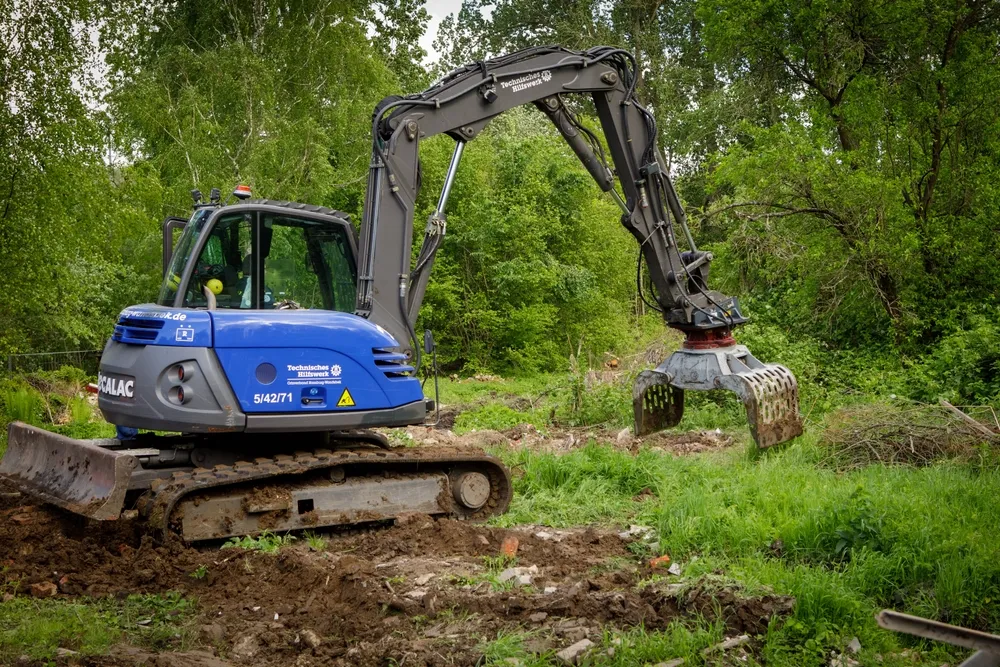
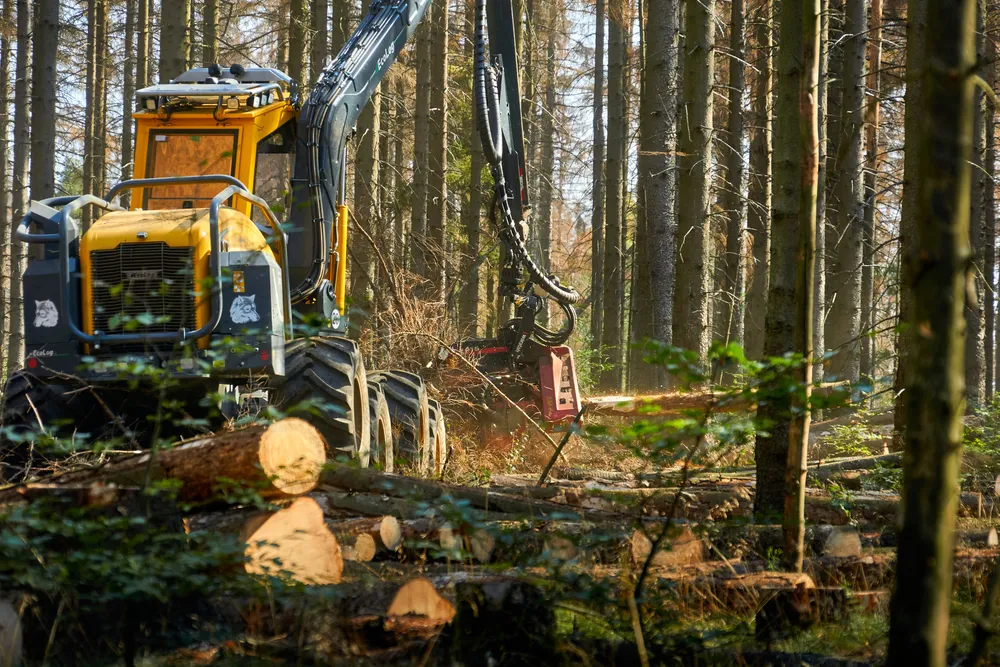
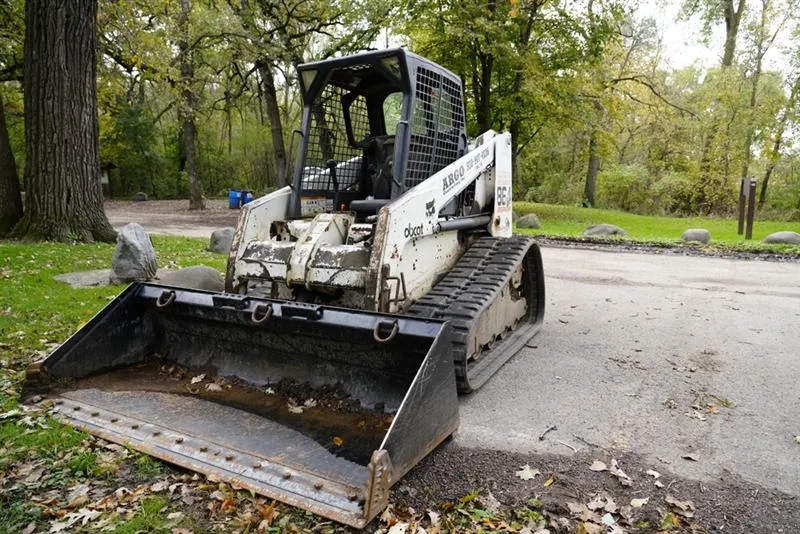
Load capacity refers to the maximum weight a forwarder can transport on a single trip without danger. This number is important for safety and for work speed as it indicates what the machine can actually handle in the real world. If you look at specs for forwarders for sale, you’ll notice terms such as gross vehicle weight rating (GVWR) and payload capacity. GVWR is the maximum total weight, which includes the equipment, what it transports, fuel, and crew. Load is simply the weight of the logs or product you load. You need to know them both. If you glance only at payload, you risk missing how attachment or fuel weight alters what you can actually haul. Let’s say a forwarder has a GVWR of 18,000 kg and weighs 12,000 kg unloaded. That gives you a payload of 6,000 kg. Adding a heavy grapple or chains eats into your actual load. It’s always a good idea to crunch the numbers for your own rig.
Your load capacity connects directly to how much work you accomplish in a day. A forwarder with more payload will make fewer trips to clear a site, saving time and money. Less-capacious smaller models may squeeze into tight spaces, but you will end up spending more time ferrying loads. In timberland, that accumulates fast. If you overload a machine, attempting to save time, you risk frame bending, axle breakage, or even tip-overs. That is not only a repair bill; it is a safety hazard for your crew. Going over can void warranties and reduce the forwarder’s lifespan.
A forklift’s load capacity operates with a lot of the same reasoning. There’s the rated load capacity, which is the number in the manual, and the actual load capacity, which decreases if you lift higher or add attachments. Loads are steady if you keep them close to the earth. The higher you lift, the less steady they become. The majority of pallets have a load center of 24 inches (approximately 610 mm), and forklifts are rated at a 500 mm load center. Any modification in the position of the load, or if you utilize attachments, can decrease your load. The actual load you can shift equals your rated load center divided by your real load center, multiplied by your truck’s rated load. Rated for a load center of 500 mm, if you instead have a longer load with a 750 mm load center, your real capacity falls by a third. When you load a forklift, that center of gravity shifts forward. If it crosses the stability triangle, the machine can tip. Knowing where that line is and how attachments or strange loads shift it is crucial for safe work.
New forwarders provide cutting-edge tech, fewer hours, and full warranties. They’re expensive, but they require less maintenance initially. Used forwarders are not as expensive, but they can bear more wear and tear, have a reduced life span, and occasionally require repairs shortly after being purchased. When evaluating forwarders for sale, used versus new, consider hours run, leaks, strange noises, or sluggish controls. Location impacts price as well. A forwarder located in a hot spot or where not many are available for sale might be more expensive. Consider shipping fees if purchasing from a distance.
A handy side-by-side table lets you quickly compare specs such as load capacity, engine power, boom length and grapple size. For example, a John Deere 1510G provides a 15-ton load and juicy motor. A Ponsse Buffalo can equal the load but possibly not the fuel usage or parts price. Key specs to line up include load capacity in tons, engine power in kW, boom reach in meters, and year made.
Photos give buyers a way to judge the machine’s real state. Clear shots of the cab, boom, teeth, and undercarriage help spot wear, leaks, or damage. Listings without enough photos or with blurry images can hide flaws or gaps. Detailed photos add trust and make it easier for buyers to rule out poor choices early on.
Specs are just as important as photos. Net power, tractive effort and boom reach should be included. For instance, a tracked model with 170 kW (230 hp) and a 9-meter boom may be appropriate for steep slopes, while a wheeled model with 140 kW (188 hp) and a 7-meter boom is better suited for flat, open terrain. Understanding the site and job requirements allows you to fit the machine to the work. Serial and stock numbers in the listing are essential for verifying service history and recalls.
Location, location, location: the nearer the machines, the lower the haul costs and the quicker the delivery. Buyers should consider the expense and time required to transport a machine internationally or long-distance. Dealer location and their reputation figure in. A seller with good reviews and a well-maintained site provides peace of mind, as it is more likely to believe in the listing information and receive after-sale assistance if necessary.
Test running forwarders is a requirement. It informs if the engine, hydraulics, and controls are operating well. You determine if the cab is cozy and secure. Request maintenance logs to verify service history and catch skipped repairs.
Choose a forwarder that suits your haul size and your working ground conditions. If you’re hauling massive logs over slick, muddy slopes, the increased capacity and all-wheel drive are worth it. For lighter work or tight sites, a mid-size forwarder with a lighter touch can save money and restrict the impact on the land.
Load capacity determines how much a forwarder can carry in a single load. It ties directly back to the equipment components, the operator’s ability, and on-site activities. Frame strength is your backbone. A solid frame resists bending, warping, or stress cracks under heavy load. Manufacturers employ a variety of steel grades or alloy reinforcements to increase this. For instance, a forwarder with a thick, premium steel frame can handle more timber than a lighter model. Axle configuration determines how weight is distributed across the machine. The more axles, or a move from single to double, the load sits on more points of contact, reducing the stress on each and reducing ground pressure. That’s critical in soft soils or when hauling large logs. Tire size counts. Wide, solid tires provide more traction and assist in supporting heavier charges, particularly on uneven or treacherous trails. Bigger tires mean the machine can distribute the weight, which protects the earth and increases stability.
Factor | How it impacts load capacity | Example |
Frame strength | Stops frame from bending under load | High-alloy steel handles 18+ tonnes |
Axle configuration | Spreads weight across more points | 8-wheel axles boost safe hauling |
Tire size | Improves grip and weight distribution | 700 mm tires for swampy terrain |
Selecting the proper load capacity for a forwarder involves more than simply pairing the largest model with the highest volumes. As every business has its own unique patterns, sites, and demands, one size fits all is a bad fit. Knowing the true load requirements and constraints of your operation is the secret to purchasing a forwarder that contributes value, not expense.
First, determine your average and peak load requirements. This begins with monitoring daily logging volume over time and examining seasonal spikes. Cycle times, or how long it takes to load, haul, and unload, matter as well. A forwarder that accommodates peak loads but sits unused on most days can have capital and maintenance overhead. A mini-forwarder running back and forth all day can waste fuel and bog down operations. Sometimes companies discover that two mid-range forwarders cope with both average and peak loads more efficiently than a single large machine. Knowing your numbers, including tons per day, cubic meters per trip, and longest hauls, helps inform this decision.
Site access influences capacity choices. In forests with thin trails, low bridges, or steep slopes, big forwarders do not fit or they may even inflict greater damage to the ground and trees. Smaller forwarders, despite significantly lower load per trip, tend to roam more freely and complete jobs with less ground impact. For instance, in areas of Scandinavia with limited site access, multiple companies rely on nimble forwarders with reduced ground pressure. Open plantations in South America could sustain high-capacity models that minimize the trips. About respecting local guidance, such as truck weight restrictions on roads or seasonal road closures, helps operations stay legal and effective.
A tradeoff between load capacity, maneuverability and fuel consumption is key. Larger equipment carries more but consumes more fuel and requires wider trails. Smaller machines conserve fuel and slip through tight spots, but may require additional passes. Fuel costs are important because freight can account for 70% of supply chain costs. Good load planning, whether aided by intelligent software or manual dashboards, helps operations maximize every trip, eliminate dead miles and increase efficiency. For example, with sophisticated planning software, operators can match forwarder specs to every job, optimize for equipment capacities, accommodate odd-shaped loads and satisfy unique customer requirements. AI-informed planning can recommend more optimal routes and loads, cut costs and increase safety.
To help narrow down the best load capacity, consider these scenarios:
High-volume, open terrain: Choose forwarders with higher capacity of 16 to 20 tonnes to reduce trips and labor.
Mixed terrain with moderate volume: Opt for medium capacity of 12 to 16 tonnes for a balance of efficiency and site access.
Tight, sensitive sites or steep slopes: Use smaller models (9 to 12 tonnes), which minimize ground damage and boost safety.
Varied jobs or shifting needs: Consider a flexible fleet with both small and mid-sized forwarders, allowing for smarter load planning and peak time flexibility.
Safe operation and regulatory compliance are paramount when shopping for used forwarders and their payload capacity. With many buyers hailing from logistics, forestry, or material handling backgrounds, understanding what to look for can prevent expensive errors. A straightforward, actionable checklist can make these rules more manageable. Begin with operator training — have each operator trained in safety fundamentals and machine acquaintance. Verify that the forwarder features up-to-date safety measures like seat belts, rollover protection, and emergency stop systems. Check lifting and anchoring points for wear or damage. Make sure the machine’s load capacity suits you and never overload the listed amount. Consult load charts and manuals from the manufacturer. Secure your cargo—improperly secured cargo is a leading cause of both accidents and lost cargo, and loads commonly shift in transit. Be sure tie-downs are strong and not frayed. Use GPS tracking and IoT tools to track cargo during transit; these can inspect conditions such as temperature and humidity and notify you of theft or tampering. For regions with stricter trading rules, my recommendation is to comply with local regulations because these hubs tend to be safer than anywhere else.
Load distribution is a vital component of safety. Unsuitably spread loads can tip a forwarder, endangering both the operator and the cargo. Use face even spacing on stacked logs or goods, and avoid stacking above the side rails or height limit in the manual. If it’s too heavy on one side, it’s not safe. Weigh the load if necessary to verify. The tipping hazard increases if the terrain is uneven or the forwarder’s center of gravity moves during transport. This is even more of a problem in rough or uneven terrain, as is the norm in forestry work. Bad scheduling in this area is one of the leading causes of accidents and penalties. Good scheduling mitigates these risks.
Pilots should always adhere to manufacturer safety guidelines and the broader guidelines of the industry. They didn’t put those measures there for sh*ts and giggles; they did it to keep people safe and product intact. The IMO and other organizations have established guidelines for transporting cargo by sea, and adhering to them aids in passing inspections at ports without penalties or holdups. The pandemic made many firms realize that transparency around safety measures and monitoring every aspect of shipping was crucial to preventing violations and complying with new regulations. Violating safety rules or bypassing the right procedures can void the machine’s warranty, making the owner liable for damages. Overloading is a frequent culprit; never pack more than the manufacturer states, or you can be sued, fined, or lose your insurance.
Cargo theft is up, too, with reports indicating a 60% increase year-over-year. Safer locks, explicit tagging, and electronic monitoring contribute to reducing theft of the devices. Companies that prioritize safety and compliance experience fewer lost shipments and reduced risk.
Forwarders are rugged workhorses and their life expectancy is directly associated with their maintenance, particularly load capacity. Frequent inspections and servicing keep these engines going full steam ahead, ensuring they can transport cargo with efficiency and dependability. Most well-maintained forwarders can last well over 10,000 hours, but that depends on the frequency of usage and terrain. Maintenance and durability: machines that work in heavy woods or on steep hills require more attention because rugged terrain grinds down components many times faster. Maintenance and longevity: forwarders with high ground clearance last longer as they can roll over rocks, stumps, and uneven terrain with less likelihood of damaging the underbody and suspension.
Overloading your forwarder can severely reduce its life. Hauling more than it was designed to carry places additional strain on the suspension, brakes, and drivetrain. This causes them to wear out sooner, break down more often, and spend more money on repairs. Engine type matters. Some engines require more frequent oil changes or filter swaps, while others are designed for extended time between service. Selecting a forwarder with an engine that is suited to the work environment reduces downtime and expenses.
Certain forwarders are constructed with effortless maintenance in mind. Quick-access panels, tool-free service points and transparent layouts make checking oil, air filters and hydraulic hoses a quick visit. Easy access allows technicians or mechanics to identify problems before they evolve into expensive repairs. Top-notch components, such as reinforced tires and rugged cranes, are an equally important part of keeping a forwarder working. Cheap or worn-out parts create more breakdowns and less time in the field.
Just as important as the machine is proper use. Operators who learn to load evenly, never make sharp turns with full loads and adhere to the recommended limits go a long way in keeping the forwarder in prime shape. Beginner abuse, such as hauling excessive loads or driving too fast over rough terrain, accelerates wear on vital components.
Easy habits can have a huge impact. Here are a few tips to help forwarders last longer and keep their load capacity up to par:
Regular inspection for cracking or fatigue in the frame and critical load bearing components is essential. Catching stress or bending in its early stages keeps a minor problem from becoming a total collapse. A forwarder that is simple to maintain and has a rugged design will endure long days and hard terrain with fewer headaches.
Fresh thinking and the future of capacity in forwarding. These revolutions configure the engines for lighter labor, less damage to the planet, and more value for customers. Most of the industry now desires equipment that hauls more, burns less fuel, and operates smarter in the wilderness.
Lightweight materials are an important advance in getting forwarders to carry more without becoming heavier. Manufacturers now utilize durable yet lightweight metals and composites in the chassis and body. For instance, a few brands utilize premium-grade aluminum or carbon fiber that reduces the weight but maintains the strength. This allows a forwarder to carry more timber per trip, saving fuel and reducing wear and tear. Less bulk also allows forwarders to work on softer ground, reducing soil damage and minimizing downtime from getting stuck. Employing these new materials can further reduce costs in the long run, as lower weight can lead to lower fuel consumption and fewer repairs.
Telematics now front and center for load management. These systems deploy sensors and digital tools to monitor what’s happening in real-time. Operators can monitor fuel consumed, loads delivered and idle times on a dashboard, either in the cab or remotely from an office. For example, if a forwarder idles too long or runs with a half-full load, the operator receives notifications to correct these behaviors. This real-time information assists in the early detection of issues, such as uneven loads or components wearing down. By monitoring this data, firms are able to optimize each ride’s value and eliminate excess. This tech is standard in nearly all new forwarders on the market today and represents a major leap in the direction of intelligent, more productive work.
Automation is a transition that’s gaining momentum in loading and unloading as well. Smart-arm machines or AI-powered systems can select logs, arrange them, and load them into the truck bed with minimal human assistance. This reduces the time per cycle and means less hard work, which reduces costs and the potential for injury. Some forwarders now include auto-balance tools that shift the load as it moves, so the machine remains stable even on uneven terrain. More brands are experimenting with AI tools that can identify the optimal way to load logs for maximum speed and safety. All these shifts indicate a future in which a greater amount of work is accomplished with less exertion and fewer humans need to be exposed to danger.
Sustainability and eco-friendly design are surging. With tons of forwarders in the woods, many buyers want forwarders that carry big loads but with lower emissions. Electrification is gaining momentum, with hybrid and full-electric forwarder prototypes now undergoing field tests. These aircraft seek to lower fuel expenses, reduce emissions and comply with stringent regulations in more global territories. Some employ a hybrid of battery and fuel while others operate solely on electric power for short journeys. This push for green gear is here to stay, as buyers and makers alike recognize value in cleaner, more efficient machines. Market research reveals consistent demand growth, predicting a 3.3% CAGR through 2032. With more jurisdictions regulating emissions, anticipate additional choices of hybrid and all-electric forwarders that do not sacrifice load capacity.